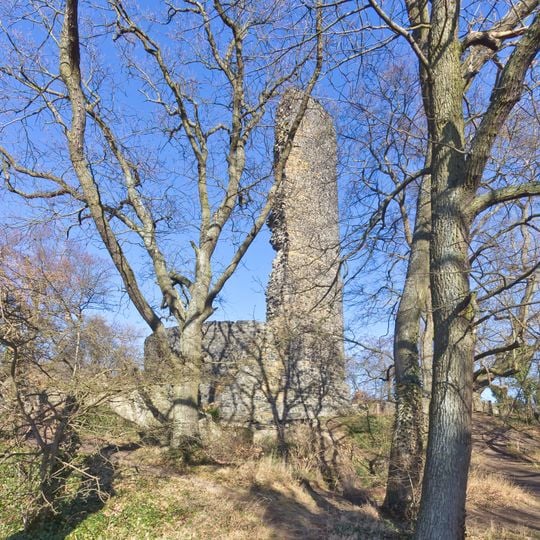
Tomburg Castle, Medieval castle ruins in Rheinbach, Germany
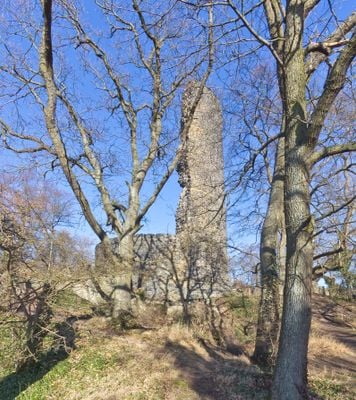
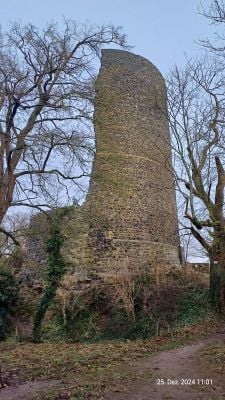
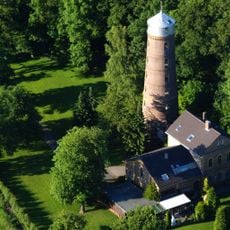
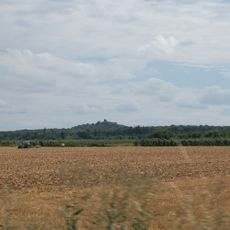
Tomburg Castle are the remains of a medieval fortress built on a basalt hill near Wormersdorf, with visible sections of stone walls still standing. The ruins occupy a raised position in the landscape, showing the physical traces of what was once a fortified residence.
The hill castle was built around 900 and expanded in later centuries. Around 1000, Count Palatine Ezzo of Lotharingia and his wife Matilda, sister of Emperor Otto III, resided here; their son Otto, Duke of Swabia from 1045, died at the castle in 1047. After 1420 inheritance divisions, it was conquered by the Duke of Jülich and almost totally destroyed by shellfire on 7 September 1473, never rebuilt.
The castle shapes how locals see their region today, appearing in school names and on regional products as a point of pride. Visitors notice this connection in the way the town speaks about and cares for its past.
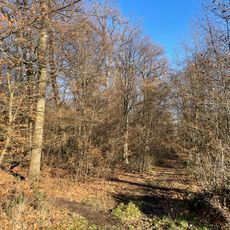
The ruins are accessible via marked hiking trails, and parking is available at the base of the hill. The climb is manageable, but visitors should wear proper footwear and allow time for the ascent.
The 46-metre castle well survives on the hilltop; a local heritage society dug it out again in 1883 and recovered stone cannonballs and other finds. Legend says a golden cradle lies at its bottom, thrown in by a count so his grieving wife would stop mourning.
The community of curious travelers
AroundUs brings together thousands of curated places, local tips, and hidden gems, enriched daily by 93,149 contributors worldwide.