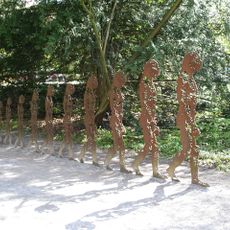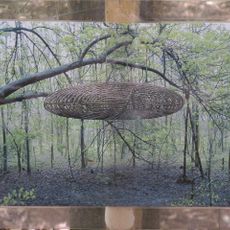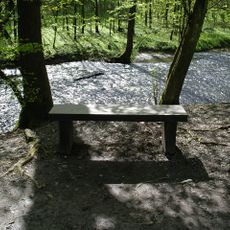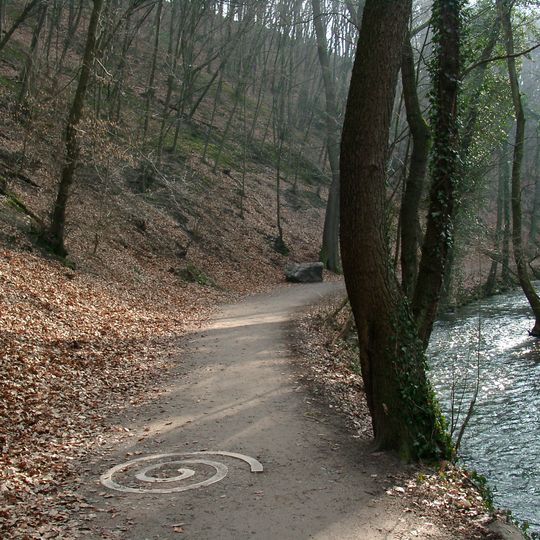
Neandertal, Prehistoric valley in Erkrath and Mettmann, Germany
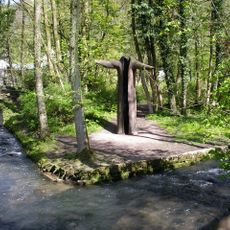
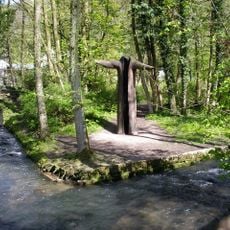
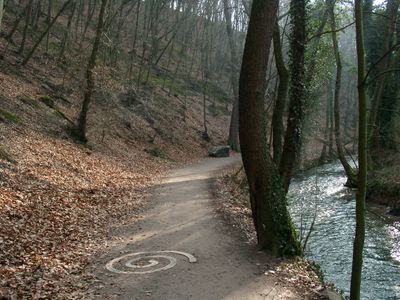
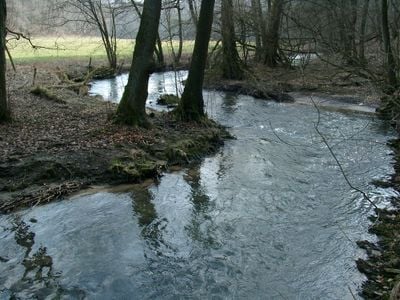
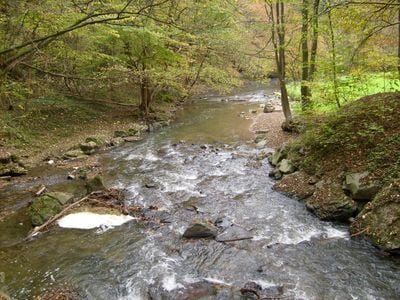
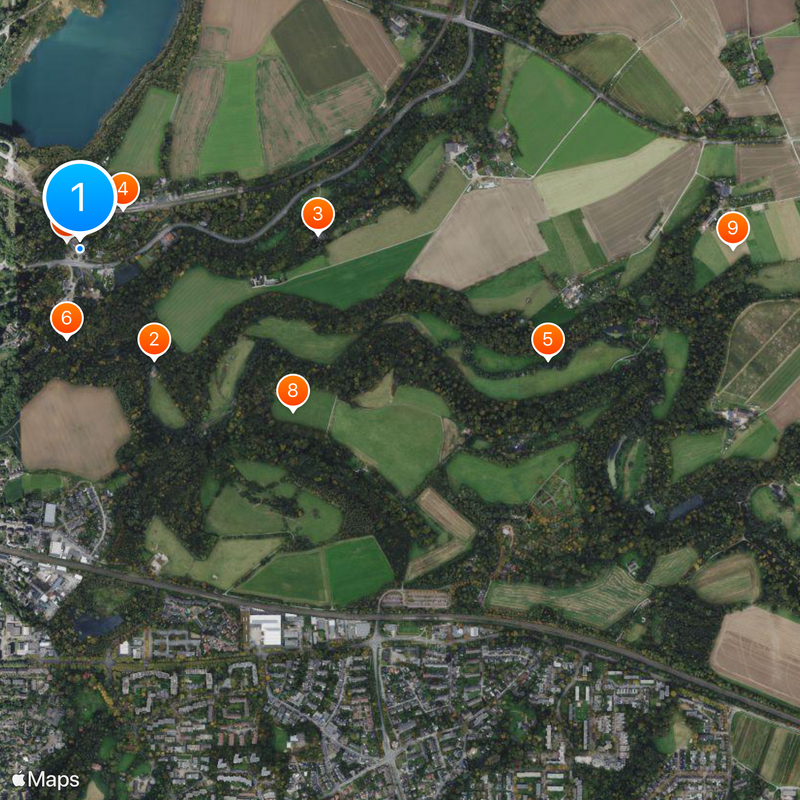
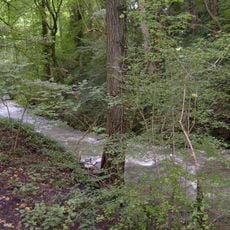
Neandertal is a valley along the Düssel River between Erkrath and Mettmann in North Rhine-Westphalia. The landscape shifts between open meadows by the river and wooded slopes that rise gently to about 330 feet (100 meters).
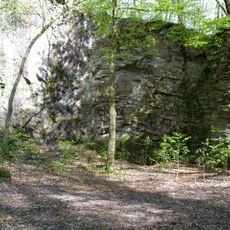
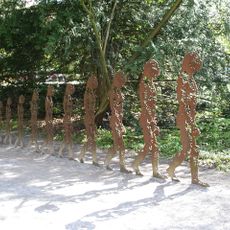
In 1856, quarry workers found fossil bones in a limestone cave that were later recognized as remains of an early human species. This discovery gave the Neanderthal its scientific name and changed how people understood human evolution.
The valley takes its name from Joachim Neander, a 17th-century theologian who preached here and composed hymns. Walkers today follow his traces through meadows and woods that once inspired his work.
Marked hiking trails and bike routes run through the valley and connect both towns over flat terrain along the river and steeper sections on the slopes. Information stations along the routes explain geology and natural history for visitors of all ages.
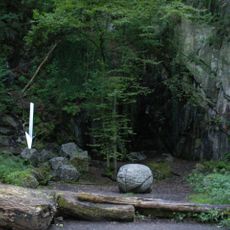
The original fossil site disappeared completely during the 19th century as limestone quarrying continued. Researchers had to reconstruct the exact cave location later using old maps and sketches.
The community of curious travelers
AroundUs brings together thousands of curated places, local tips, and hidden gems, enriched daily by 60,000 contributors worldwide.
![CALX [Positiv]](https://img9.digsty.com/DmEsk00CXmwmixmfrFKISfBEKapfVbUsNEnqSY205HY/rs:fill:230:230:1/g:fp:0.5:0.5/czM6Ly9hcm91bmR1cy80OS8xODMwMzk1NjctNDBlMjAyZjAuanBn.jpg)
![CALX [Negativ]](https://img9.digsty.com/OGKtHUYw9_vOBeN9jpZeSfoHBFPQ5VWy-V5efnbyl7E/rs:fill:230:230:1/g:fp:0.5:0.5/czM6Ly9hcm91bmR1cy80OS8xODMwNDIwNzAtOTMwYTNhZGEuanBn.jpg)