Neandertal, Protected limestone valley in Erkrath, Germany
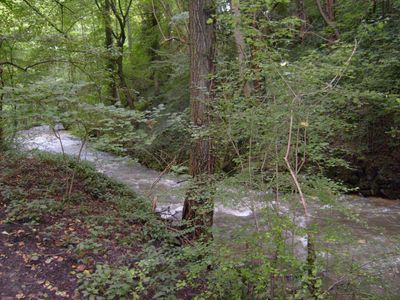
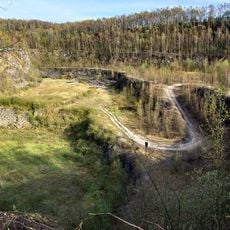
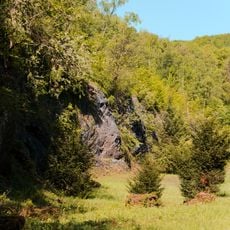
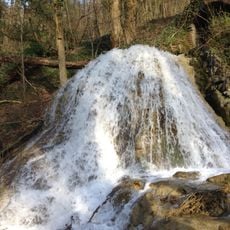
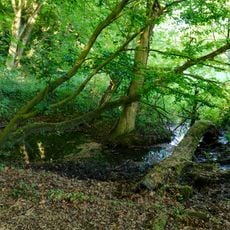
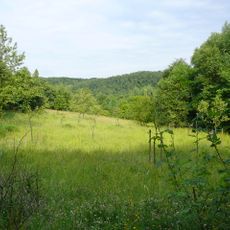
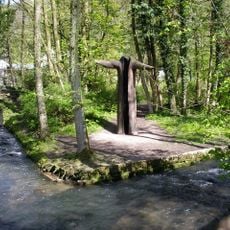
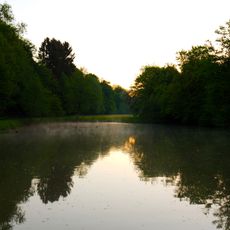
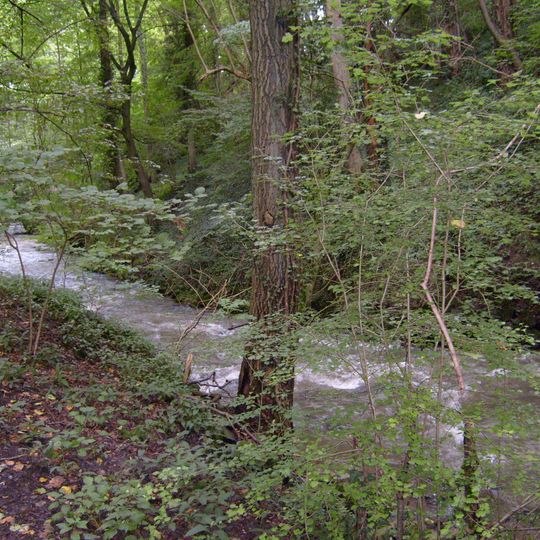
The Neandertal is a protected limestone valley in Erkrath that stretches across the Düssel River area with limestone cliffs, dense beech forests, and geological layers from the Devonian period. The steep slopes and river landscape define the character of this gorge.
The discovery of Homo neanderthalensis skeleton fragments in 1856 in the Kleine Feldhofer Grotte established this location as the birthplace of paleoanthropology. These findings fundamentally changed scientific understanding of human evolution.
The valley takes its name from Joachim Neander, a 17th-century pastor who composed hymns while walking through this natural setting. Visitors can still follow the paths that inspired his spiritual work.
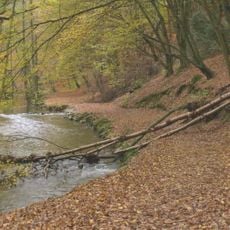
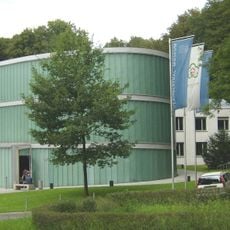
The valley offers walking paths along the river and through forests, with sturdy footwear recommended for uneven trails. A nearby museum displays findings and provides more context about the historical and geological significance of the location.
The area became Germany's first officially designated nature reserve in 1921 due to its scientific importance. The gorge thus pioneered nature conservation efforts in the country.
The community of curious travelers
AroundUs brings together thousands of curated places, local tips, and hidden gems, enriched daily by 91,996 contributors worldwide.