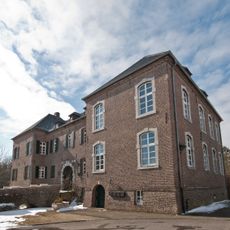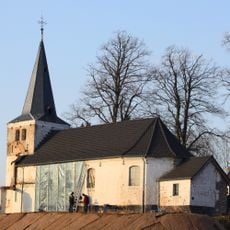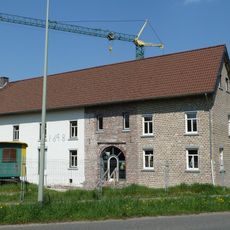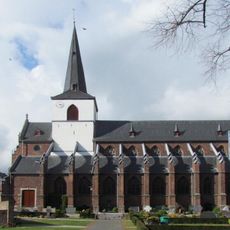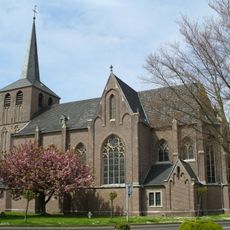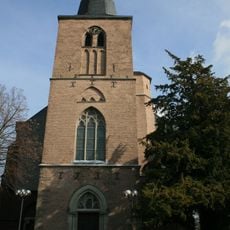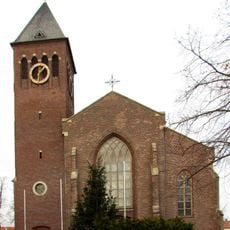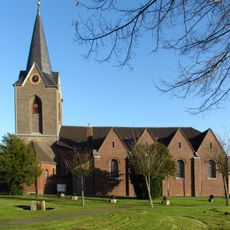
Gangelt, municipality of Germany
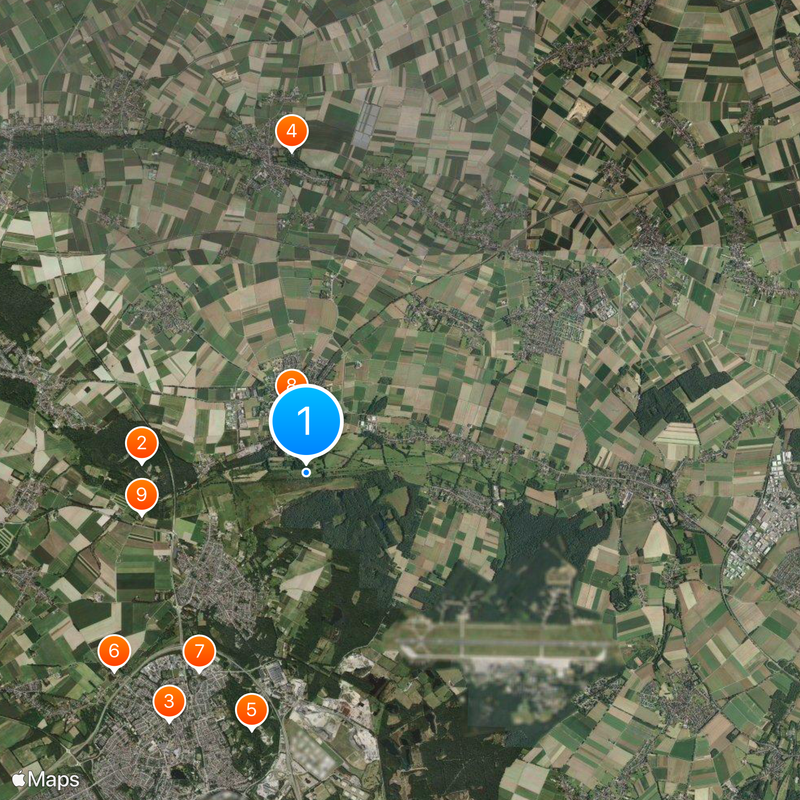
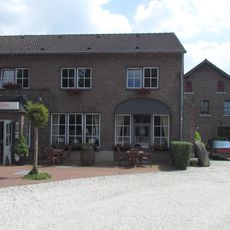
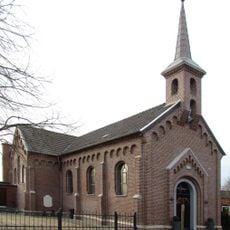
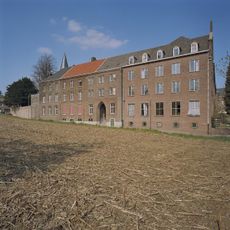
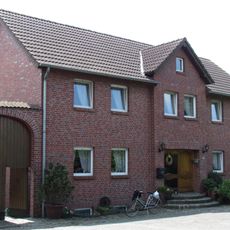
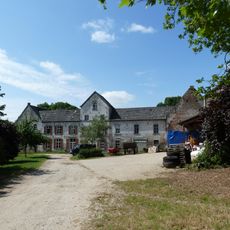
Gangelt is a non-urban municipality in the Heinsberg district of North Rhine-Westphalia, close to the Dutch border. The area is made up of farmland, meadows, and scattered residential zones spread across a flat landscape in western Germany.
Gangelt has medieval roots in the Lower Rhine region and grew steadily as a farming settlement over the centuries. It became part of the current Heinsberg district following the administrative reform of 1972.
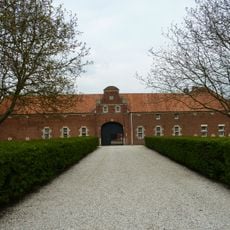
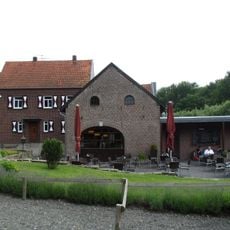
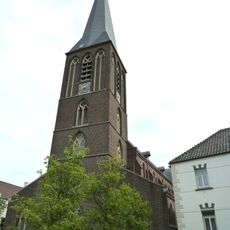
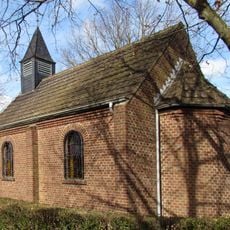
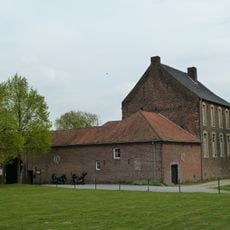
The name Gangelt traces back to old Lower Rhine language forms and is thought to relate to the water in the surrounding area. Walking through the community today, visitors can still see farmsteads, open fields, and small village centers that have shaped life here for generations.
Gangelt sits in flat, open countryside in western Germany, right along the Dutch border, making it easy to reach by car from either side. Public transport options are limited in this rural area, so having personal transport makes getting around much easier.
In early 2020, Gangelt was one of the first places in Germany to record a large cluster of COVID-19 cases, which led to one of the first studies on the spread of the virus in the German population. The study, carried out by the University of Bonn, drew international attention and briefly put this small village on the world map.
The community of curious travelers
AroundUs brings together thousands of curated places, local tips, and hidden gems, enriched daily by 91,203 contributors worldwide.