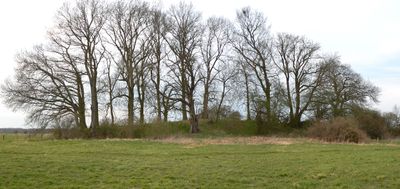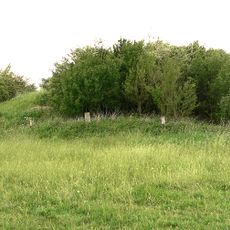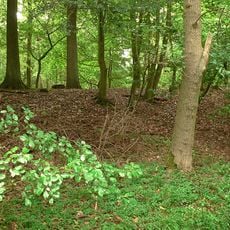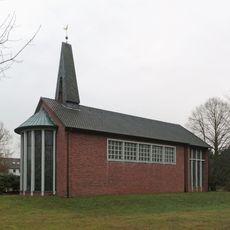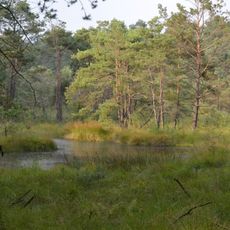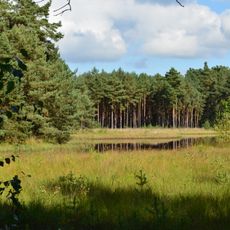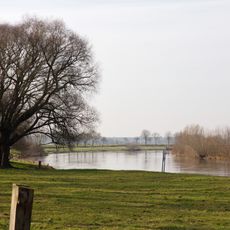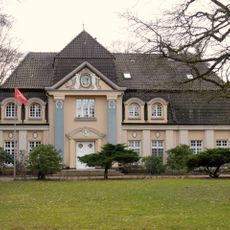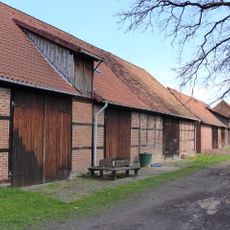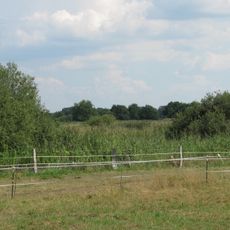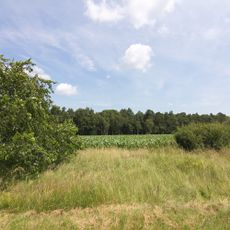
Bunkenburg, Archaeological site in Lower Saxony, Germany.
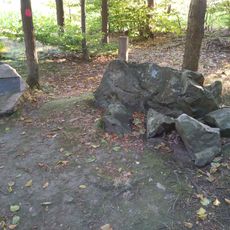
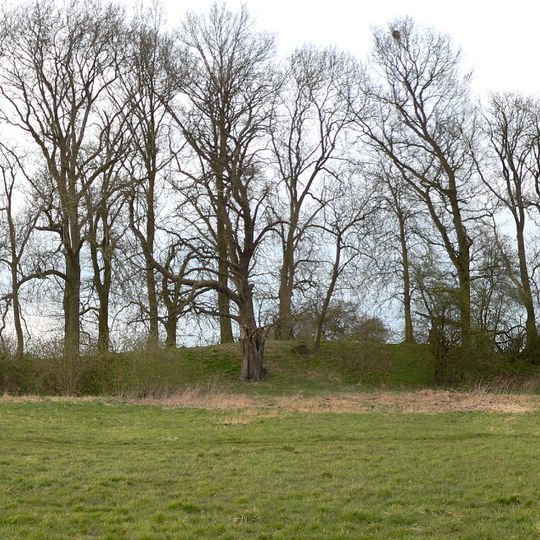
Bunkenburg is an oval-shaped fortification in Lower Saxony with a surviving rampart section standing about 3 meters high. A state road built in the 1980s divides the archaeological site, with the northern portion containing the better-preserved defensive wall.
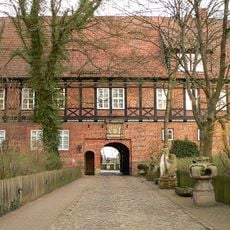
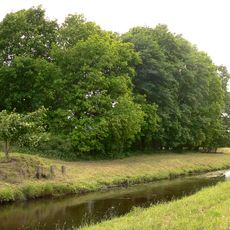
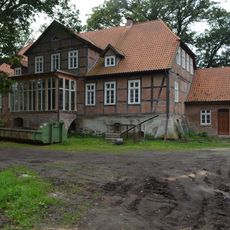
The fortification emerged in the medieval period and controlled an important crossing point over the Aller River during the 13th and 14th centuries. Its remains were later dismantled and reused in the construction of Ahlden Castle.
The name comes from 'Bunke,' referring to bog iron that was used in construction. This shows how the structure was built from materials found in the surrounding wetlands.
The site is accessible but divided by a modern road, which is important to keep in mind when exploring the full structure. The northern section is easier to reach and provides the best views of the surviving rampart.
Excavations in 1976 and 1982 uncovered pottery fragments from the 9th to 11th centuries, pointing to extended human settlement at this location. These findings reveal the site was used far longer before its later role as a medieval fortress.
The community of curious travelers
AroundUs brings together thousands of curated places, local tips, and hidden gems, enriched daily by 92,723 contributors worldwide.