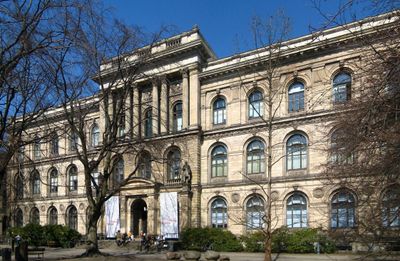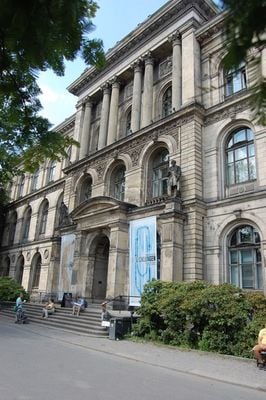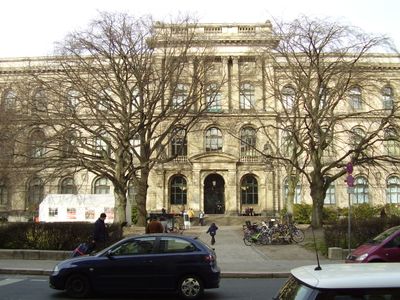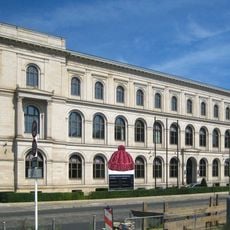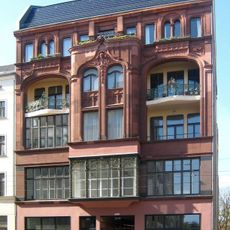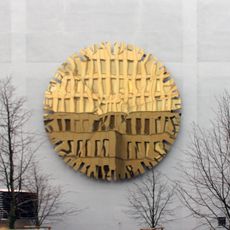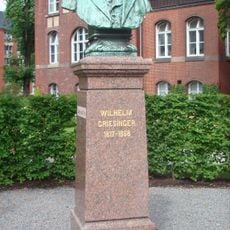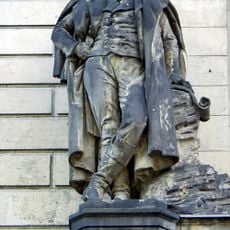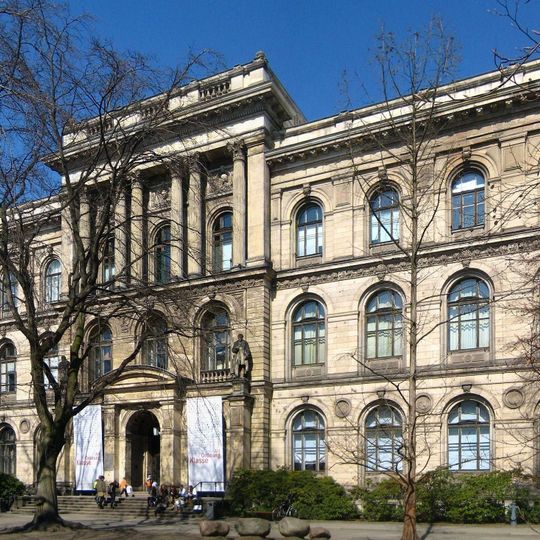
Natural History Museum, Berlin, Natural history museum in Berlin-Mitte, Germany.
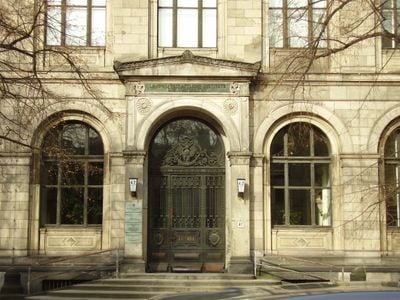
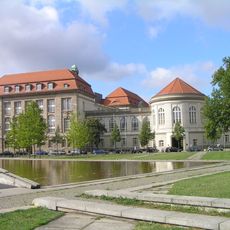
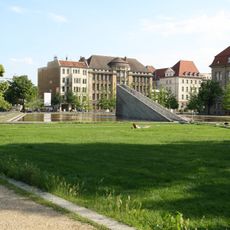
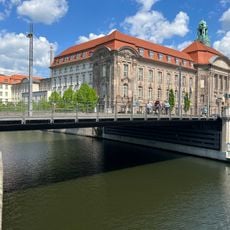
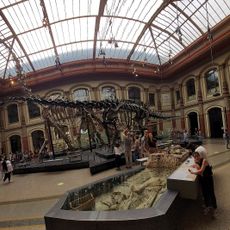
The Museum für Naturkunde is a natural history museum in Berlin-Mitte that houses more than 30 million specimens from zoological, paleontological, and mineralogical collections within a large 19th-century building. The spaces spread across multiple floors and display objects in thematically organized areas.
The building was constructed in 1889, after the collection was originally founded in 1810 as part of Humboldt University. The institution evolved over time and became independent in 2009.
The museum is a place where scientists work daily and visitors can watch their research unfold. The collections tell stories about nature and its diversity through the eyes of those who study it.
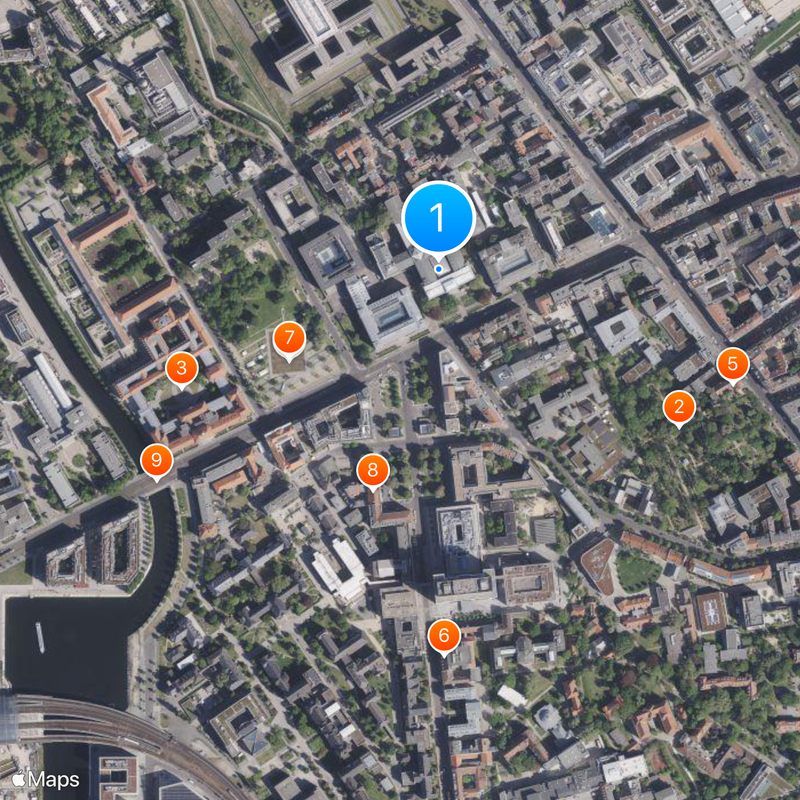
The museum is accessible via the U6 underground line at Naturkundemuseum station and offers guided tours in several languages. Visitors should allow enough time, as the collection is large and covers diverse subjects.
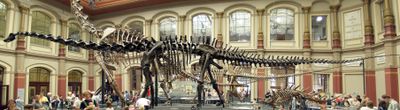
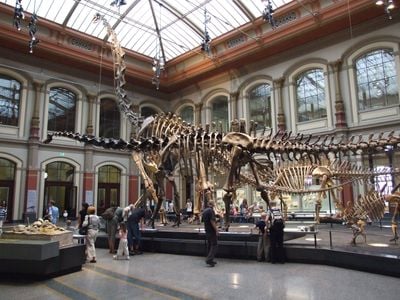
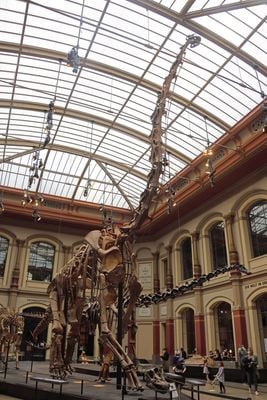
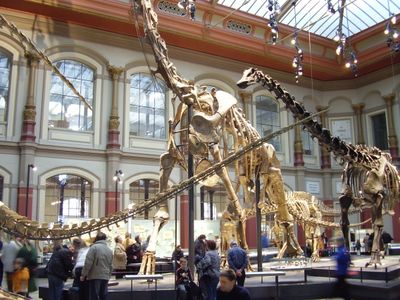
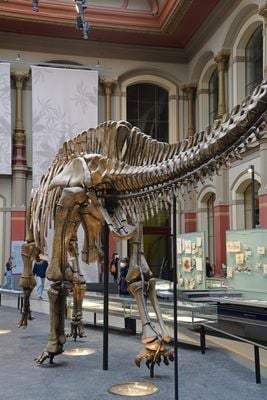
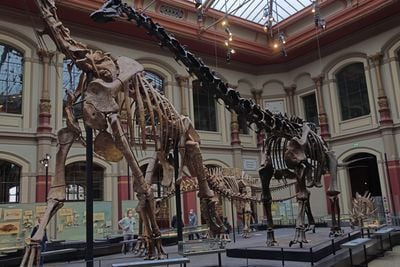
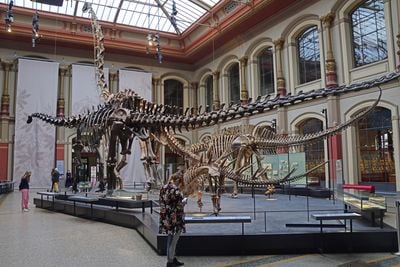
The museum displays the world's largest mounted dinosaur skeleton, a Giraffatitan brancai, alongside the Berlin Specimen of Archaeopteryx, which shows the connection between reptiles and modern birds. This pair of fossils illustrates how one form evolved into another.
The community of curious travelers
AroundUs brings together thousands of curated places, local tips, and hidden gems, enriched daily by 60,000 contributors worldwide.