Neheim-Hüsten, former City and former City District of the City of Arnsberg, Hochsauerlandkreis, Northrhine-Westfalia, Germany
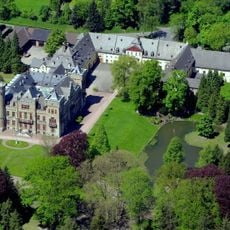
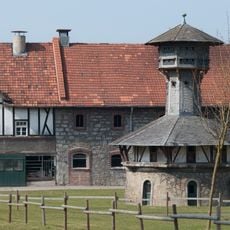
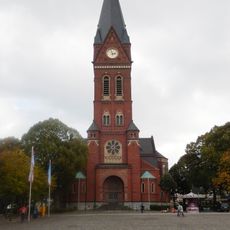
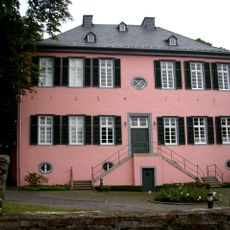
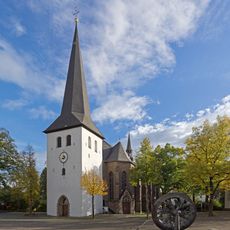
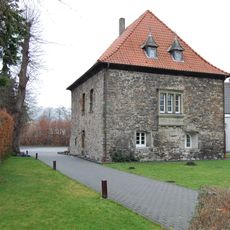
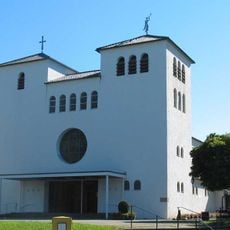
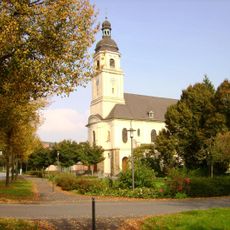
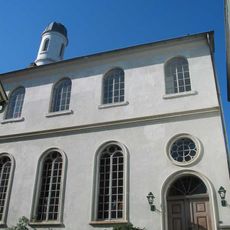
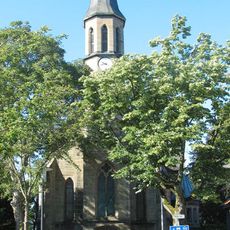
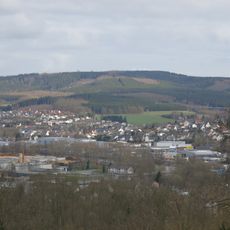
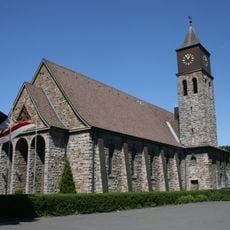
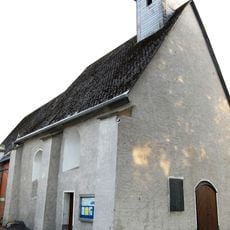
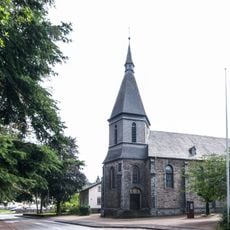
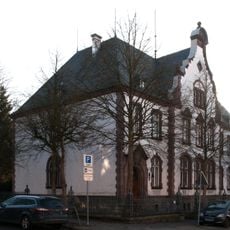
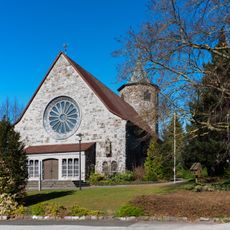
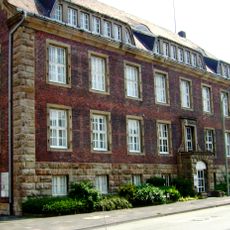
Neheim-Hüsten is a historic settlement in the Hochsauerlandkreis district, formed from two separate areas that grew together over many decades. The town features brick and stone buildings with simple designs, old churches with carved details, and modern shops arranged along streets that run through a river valley bordered by forested hills.
Neheim and Hüsten were originally separate communities that officially merged in 1941 during World War II. The area experienced a devastating flood in April 1943 when the Möhne dam broke, sending a wave approximately 12 meters high through the valley, destroying buildings and claiming lives.
The two districts of Neheim and Hüsten each have deep roots in the area's past. Local markets and annual festivals bring residents together, where people share food and keep traditions alive that have been passed down through generations.
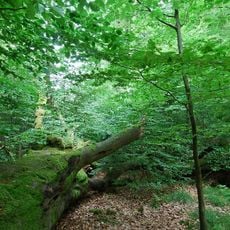
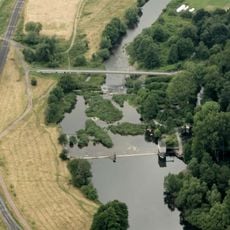
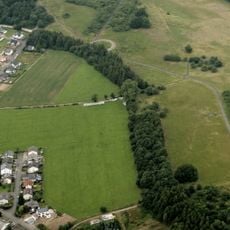
The area spans about 6 kilometers through a valley between the Ruhr and Möhne rivers, surrounded by forested hills that are easy to explore on foot. Visitors can walk or bike through quiet streets to reach small parks and traditional cafes where locals stop for coffee and cake.
In 1975 the area lost its status as an independent town when it merged with Arnsberg, but existed in this form for only eight years before splitting again into two separate districts in 1983. This unusual division is rarely known and reflects the complex administrative changes that shaped many German regions.
The community of curious travelers
AroundUs brings together thousands of curated places, local tips, and hidden gems, enriched daily by 91,844 contributors worldwide.