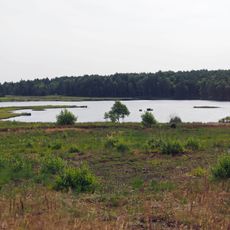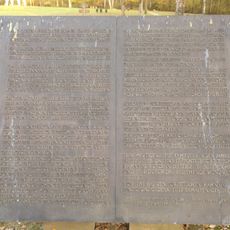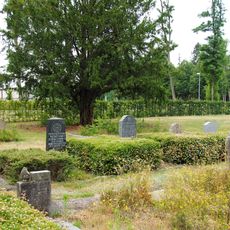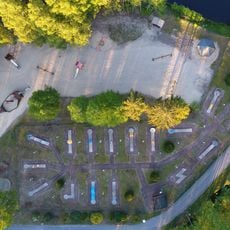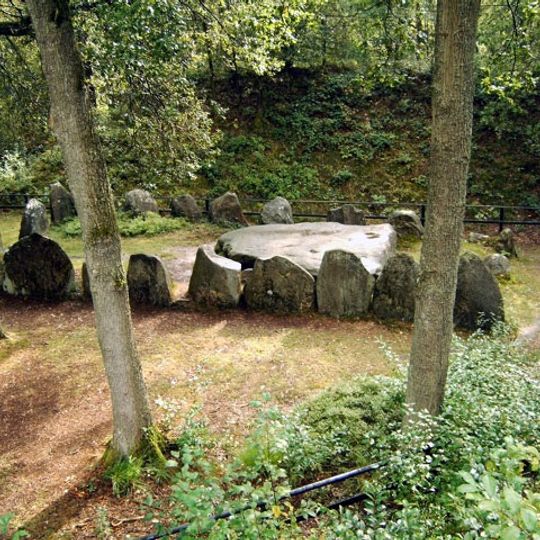
Sieben Steinhäuser, Neolithic dolmen group in Osterheide, Germany.
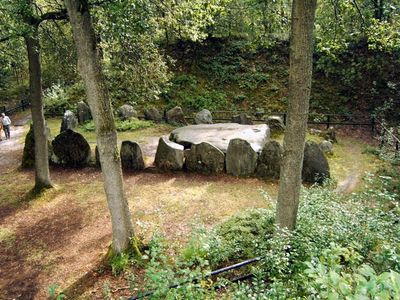
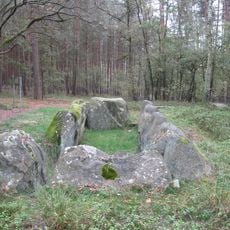
The Sieben Steinhäuser is a group of five megalithic burial chambers on the Lüneburg Heath built from massive stone slabs arranged in rectangular forms. The stone chambers sit close together, each supported by vertical stone posts that hold large capstones in place.
These burial structures were built by early farming cultures during the Neolithic period, roughly between 3500 and 2800 BCE. The Funnelbeaker culture that lived in northern Germany left these monuments as evidence of their burial traditions.
These stone tombs served as burial places for Neolithic communities and reflect how early farming societies honored their dead. The chambers built close together show how burial practices were central to the life and beliefs of these ancient people.
The site is accessible year-round but with limited visiting hours, so it helps to check ahead. Wear sturdy shoes because the heath terrain is uneven and can be slippery depending on the season and recent weather.
The largest burial chamber, known as Grave D, is supported by seven massive stone pillars holding an enormous capstone measuring about 16 feet across. This remarkable construction method shows how Neolithic builders managed to work with gigantic stone blocks.
The community of curious travelers
AroundUs brings together thousands of curated places, local tips, and hidden gems, enriched daily by 91,263 contributors worldwide.