Chiemgau impact hypothesis, Scientific hypothesis site in Chiemgau region, Germany.
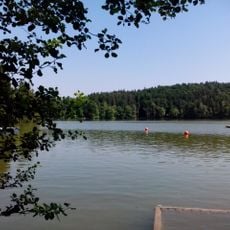
The Chiemgau impact hypothesis examines unusual circular formations and geological layers around Tüttensee lake in Bavaria. The area displays several distinctive lakes and surface features that researchers have studied as potential evidence of a cosmic event approximately 1500 years ago.
Scientists began studying the distinctive geological formations and mineral deposits in the area during the 1920s. Over subsequent decades, researchers developed competing explanations for what created these unusual structures, leading to a scientific discussion that continues today.
The region around Tüttensee is presented by local researchers and museums as a place where scientists debate geological evidence and how to interpret the landscape. This ongoing discussion shows how people here engage with questions about Earth's distant past.
The area is accessible year-round, allowing visitors to view the lakes and landscapes central to the scientific discussion. Local museums provide detailed information about the geological formations and display samples that help visitors understand the research being conducted.
Sediment layers discovered beneath the lake contain partially undisturbed peat deposits dating to periods after the last glacial era. These natural archives contradict certain aspects of the impact theory and show why the scientific debate remains unresolved.
The community of curious travelers
AroundUs brings together thousands of curated places, local tips, and hidden gems, enriched daily by 92,744 contributors worldwide.