Weissenau Abbey, Former Premonstratensian monastery in Ravensburg, Germany
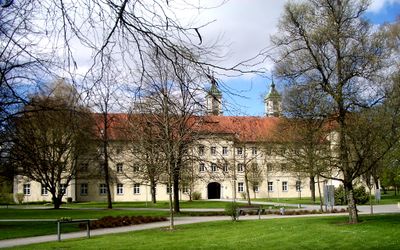
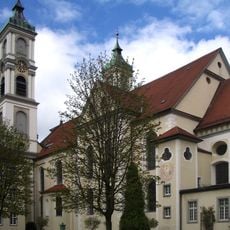
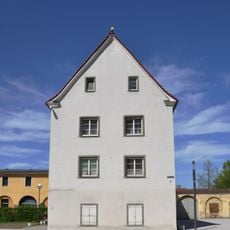
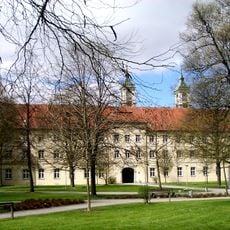
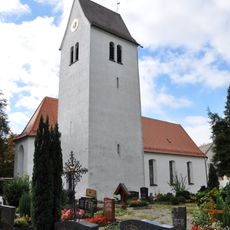
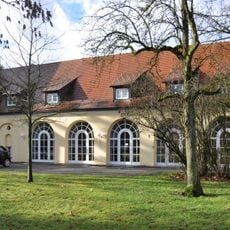
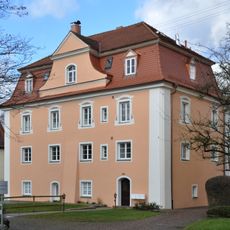
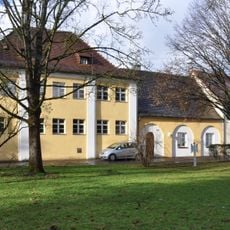
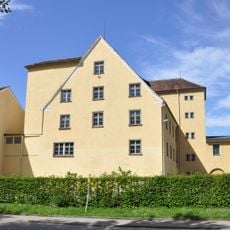
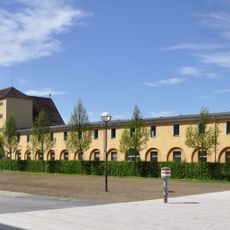
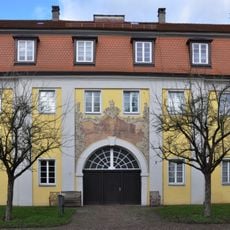
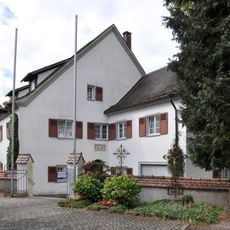
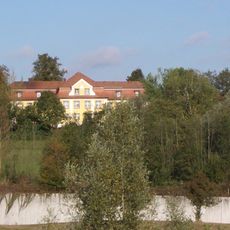
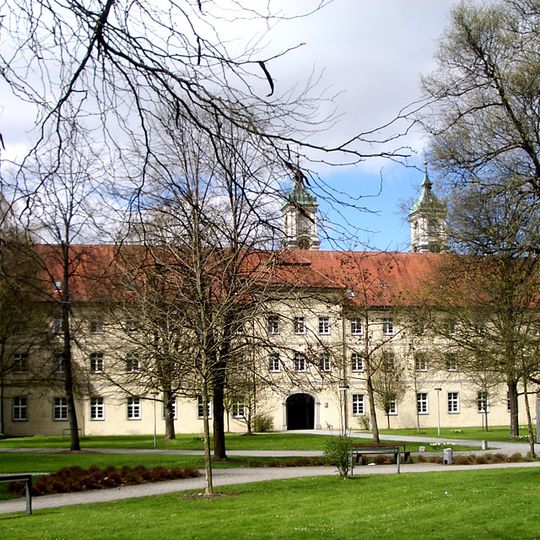
Weissenau Abbey is a former Premonstratensian monastery in Ravensburg, Germany, that took its current baroque form during the 18th century. The grounds hold a church, former monastic buildings arranged around a courtyard, and a ceremonial hall decorated with stucco work and ceiling paintings.
The monastery was founded in 1145 and soon gained imperial recognition, which strengthened its standing in the region. After secularization in the early 19th century, the buildings were repurposed, though the church and much of the baroque fabric survived.
For centuries, the abbey drew pilgrims from across the region because Emperor Rudolf I donated a relic considered sacred, giving the site a strong religious pull. Today, the church still holds regular services, and visitors can step inside to see the baroque interior as it was intended to be used.
The site now operates as a psychiatric hospital, so access to most buildings is restricted. The church is open for services and events, and it is worth checking in advance which parts of the grounds are open to visitors.
The ceremonial hall was designed by Franz Beer, one of the leading architects of the south German baroque, and his stucco decoration is so fine that it looks more like carved stone than applied plaster. This detail is easy to miss on a first visit but rewards anyone who takes a closer look.
The community of curious travelers
AroundUs brings together thousands of curated places, local tips, and hidden gems, enriched daily by 91,253 contributors worldwide.