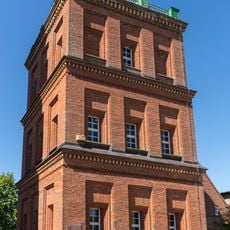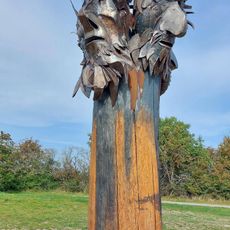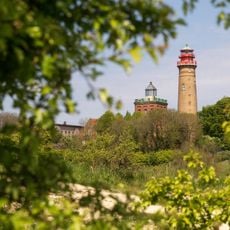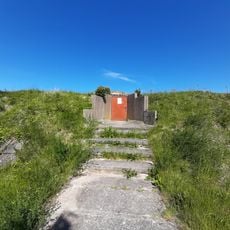
Jaromarsburg, Slavic temple and castle at Cape Arkona, Germany
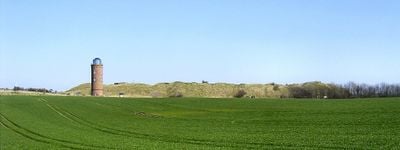
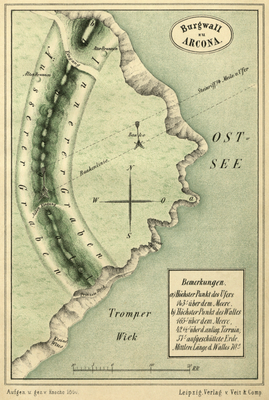
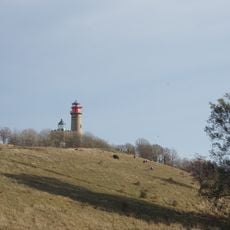
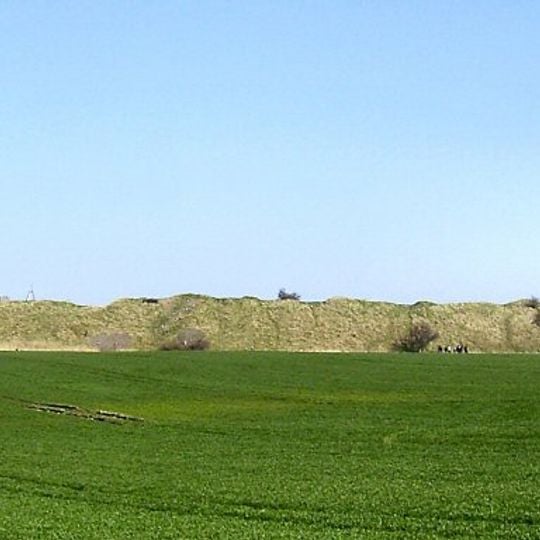
Jaromarsburg is a Slavic temple fortress at Cape Arkona, where only the earthen burgwall remains visible today. The rampart rises about 13 m and originally enclosed an area roughly 300 m north-south by 350 m east-west. Coastal collapse of 10 to 20 m per century has left about a third of the walled area. Excavations located the rectangular, find-free site of the Svantovit temple.
The site was home to the Rani, a Slavic tribe, from the 9th through 12th centuries with considerable power in the Baltic region. Danish forces conquered it in 1168, marking the end of Slavic control in this area.
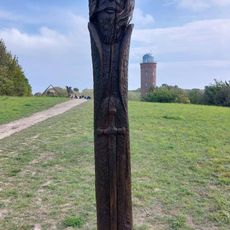
The temple housed a four-metre Svantovit statue carved from an oak trunk, holding a drinking horn in its right hand. Each year the priest filled the horn with mead and read the coming harvest from what had disappeared. The site is now an earthen wall; the foundations cannot be walked through.
The ruins sit on a cliff with steep pathways, so sturdy footwear is essential when visiting. The site connects to walking trails that lead to other landmarks around the cape.
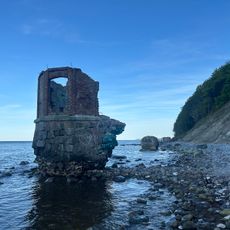
The cliff continuously loses land to the sea, exposing archaeological layers as it erodes. This natural process constantly reveals new clues about the lives of those who lived here.
The community of curious travelers
AroundUs brings together thousands of curated places, local tips, and hidden gems, enriched daily by 94,514 contributors worldwide.