Priory of St. Wigbert, Ecumenical Benedictine priory in Werningshausen, Germany
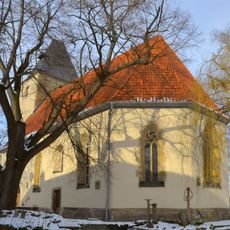
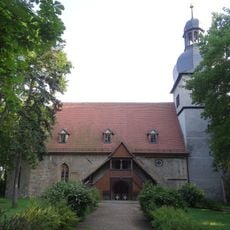
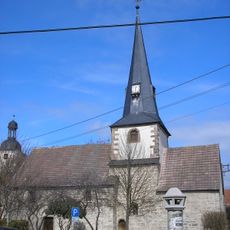
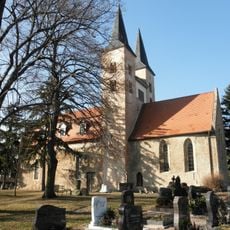
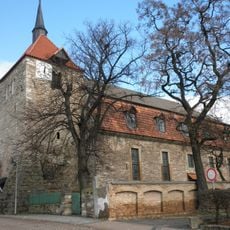
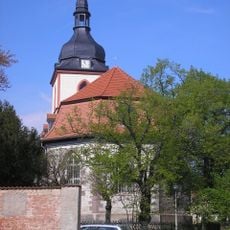
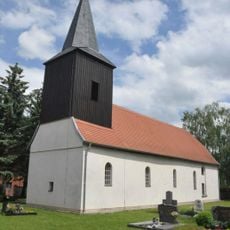
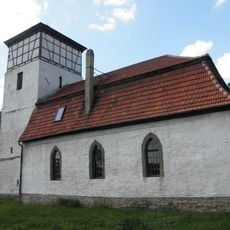
The Priory of St. Wigbert is an ecumenical Benedictine monastery for men in Werningshausen, near Erfurt. Its core is the village church of St. Wigbert, with a nave built 1773–1776 and a tower from 1841, rebuilt by the brothers from 1973 and reconsecrated in 1974. Monastery buildings with a small oratory have been added in stages since 1989, alongside a Marian chapel of 1984 and a small onion dome recalling an Orthodox cupola.
The community began forming in the 1970s, when brothers from Lutheran and Catholic backgrounds settled in Werningshausen and rebuilt the derelict village church of St. Wigbert, rededicated in 1974. In 1987 the Lutheran Church of Thuringia approved their rule, making it the first Benedictine monastery recognized after the Reformation in Germany. The monastery buildings were erected in stages from 1989, with the first section consecrated in 1992 and the second in 2000.
The monks here come from Lutheran, Roman Catholic, and Eastern Orthodox traditions yet live together under the Rule of Saint Benedict. This unusual combination shows how different faith communities can share daily life and work together.
The priory stands in Werningshausen, near Erfurt. The brothers pray the Liturgy of the Hours four times a day, and visitors may join these services; confirm the times in advance. The church holds a six-voice bell peal completed in 2001, described as the finest in Thuringia.
The small onion dome on the monastery recalls Orthodox domes: it was added because of the ecumenical work of the brothers and the Soviet soldiers from the Haßleben helicopter base who once prayed in the Marienkapelle. The six-voice bell set, completed in 2001, is considered the most beautiful in Thuringia.
The community of curious travelers
AroundUs brings together thousands of curated places, local tips, and hidden gems, enriched daily by 92,892 contributors worldwide.