Steinheim crater, Impact crater in Steinheim am Albuch, Baden-Württemberg, Germany.
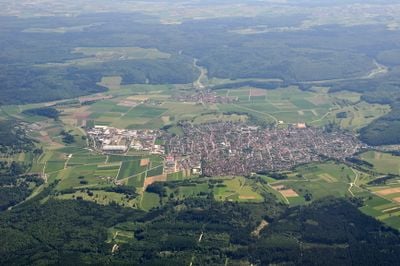
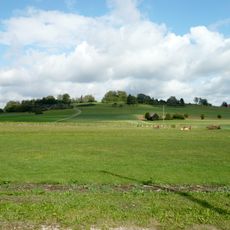
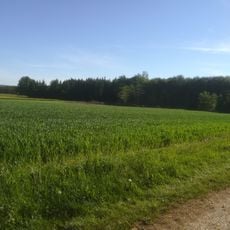
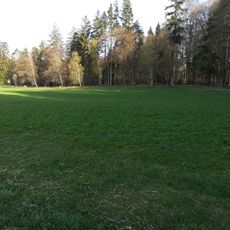
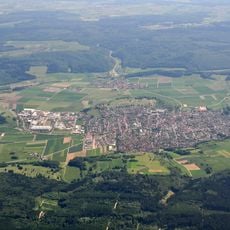
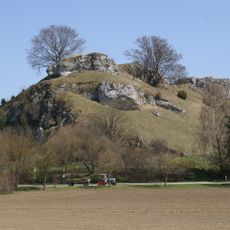
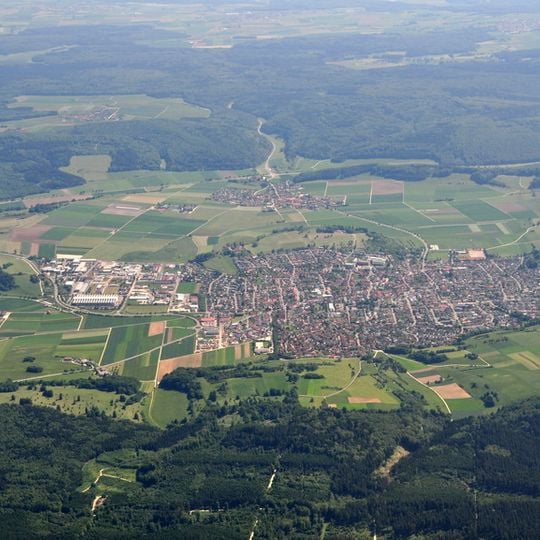
The Steinheim crater is an almost circular basin about 3.8 km across in the Swabian Alb, its floor lying roughly 100 m below the surrounding plateau. At its centre rises the Steinhirt, a hill about 50 m above the crater floor, built of Middle and Upper Jurassic limestone and sandstone. The rim consists of tilted and shattered Jurassic limestone slabs, and the town of Steinheim am Albuch occupies part of the basin.
The impact occurred roughly 14.3 million years ago during the Middle Miocene period when a meteorite struck Earth. After the collision, a lake formed and filled with sediments, preserving fossils from that distant time.
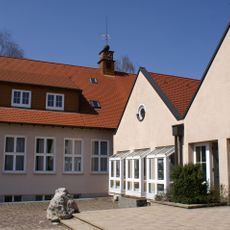
The Crater Museum in Sontheim displays rocks and minerals from the post-impact period and invites visitors to explore the site through guided walks. People come here to understand the place's story through exhibits and trails across the landscape.
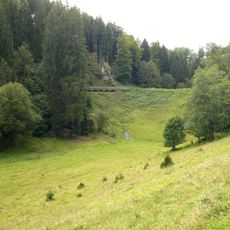
The site lies about 40 kilometers west of the Nördlinger Ries and is easy to explore via walking trails. Visitors should bring appropriate clothing for longer walks and changing weather, as the terrain is open and the path sometimes uneven.
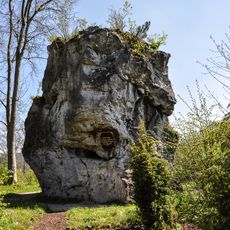
The limestone of the central hill contains shatter cones, surface structures formed by the impact's pressure wave. They were first recognised and described worldwide at Steinheim around 1905, though their origin remained unexplained at the time. They are now known from many terrestrial craters and are considered clear indicators of an impact.
The community of curious travelers
AroundUs brings together thousands of curated places, local tips, and hidden gems, enriched daily by 92,838 contributors worldwide.