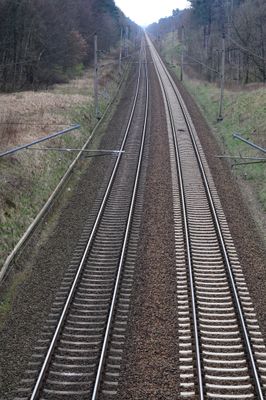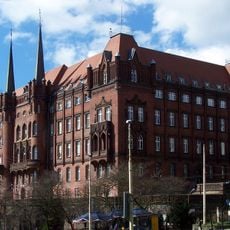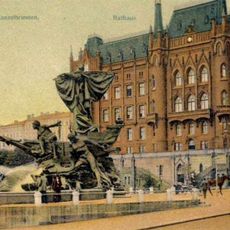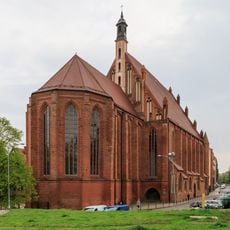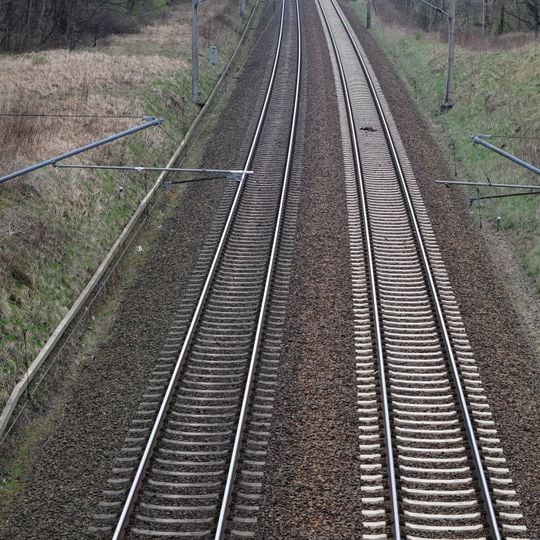
Berlin–Szczecin railway, railway line in Germany and in Poland
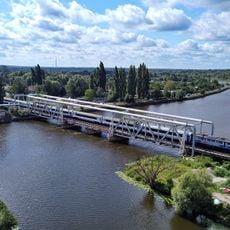
The Berlin-Szczecin railway is a rail line that runs between Germany and Poland, connecting the two cities across a long stretch of territory. The line passes through open fields and small towns and is currently being equipped with new tracks, signaling, and overhead lines to support higher speeds.
The line was built in the early 1840s and was one of Germany's first railways, connecting Berlin to the port at Stettin. After World War II, one track was removed and border changes led to a decline in traffic, which modernization efforts aim to reverse today.
The line connects two cities with distinct identities and reflects current relations between Germany and Poland. Travelers can observe daily life at stations where local residents board and exit, using the railway as a routine part of their everyday activities.
Travelers should note that the line is currently undergoing renovation and travel times and train schedules may vary. Access to stations along the route is straightforward, but it is wise to check current operating conditions before traveling.
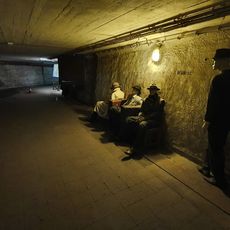
A notable feature is the tunnel under the Oder-Havel Canal near Eberswalde, a historic engineering work from the 19th century. This tunnel is one of the few distinctive architectural elements along the route and reminds travelers of the early challenges in building the line.
The community of curious travelers
AroundUs brings together thousands of curated places, local tips, and hidden gems, enriched daily by 91,121 contributors worldwide.