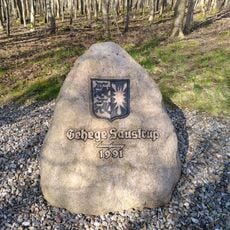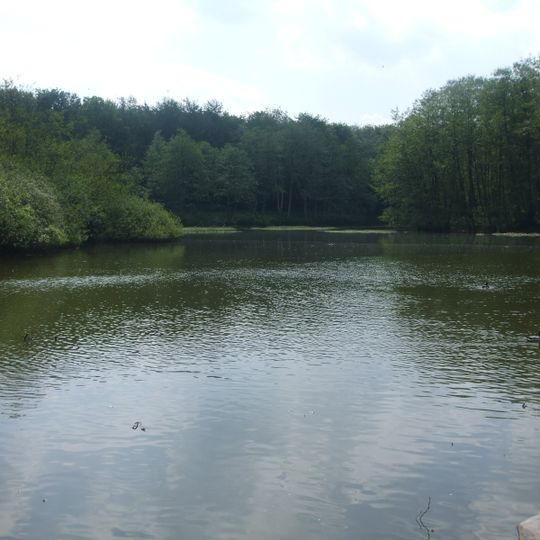
Thorsberg moor, Archaeological site and peat bog in Süderbrarup, Germany
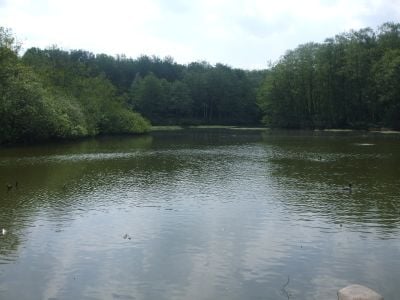
Thorsberg moor is a bog in Süderbrarup, Schleswig-Holstein, with archaeological layers from the Iron Age containing pottery, metal, and textile items. The wet conditions have preserved even delicate materials like fabrics and wood that would normally disappear within years, making the site exceptionally rich in organic remains.
Germanic peoples deposited objects here between the 1st century BC and the 5th century AD, likely as ritual offerings or in times of war. Systematic excavations beginning in 1858 uncovered thousands of items that transformed our understanding of life during the Iron Age period.
The bog's name connects to an ancient settlement nearby, and visitors can sense how people in past times deposited objects here as part of their religious or ritual practices. The preserved items tell us about what mattered to those communities and how they honored their dead or sacred places.
The excavation site itself is not open to the public, but major finds are displayed in museums you can visit. The collections at the Schleswig-Holstein State Museum for Archaeology at Gottorf Castle and in Copenhagen show the breadth of what was discovered at this location.
Among thousands of finds are well-preserved trousers with footed sections attached like socks, showing that Germanic peoples had already mastered sophisticated clothing techniques. These overlooked textile discoveries reveal details about daily life and craftsmanship that existed long before the medieval period.
The community of curious travelers
AroundUs brings together thousands of curated places, local tips, and hidden gems, enriched daily by 91,588 contributors worldwide.