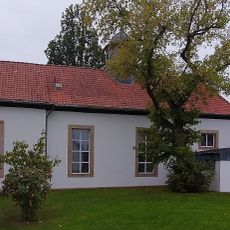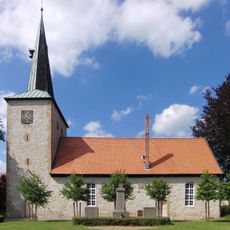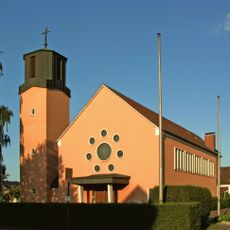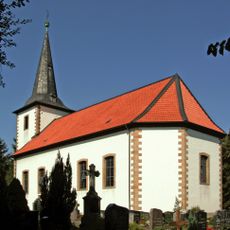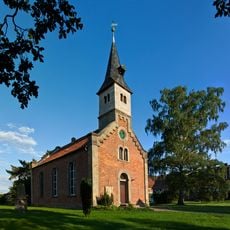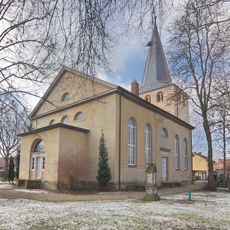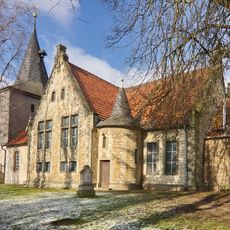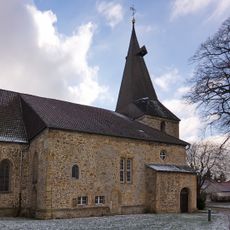
Lengede, municipality in Landkreis Peine, Germany
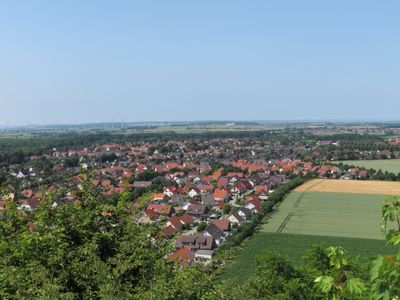
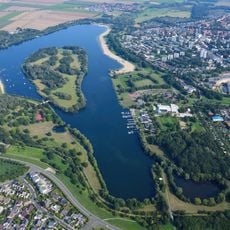
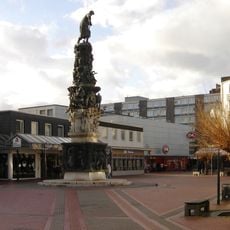
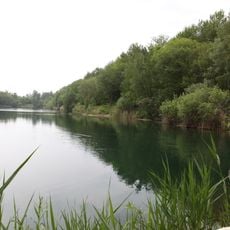
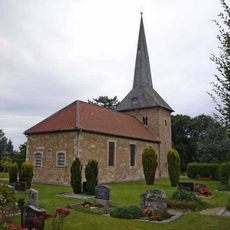
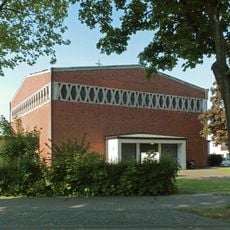
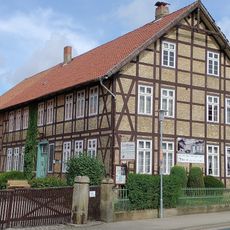
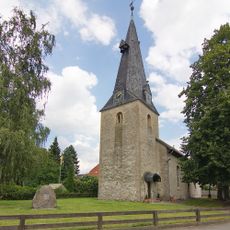
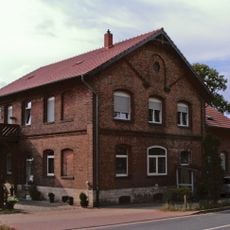
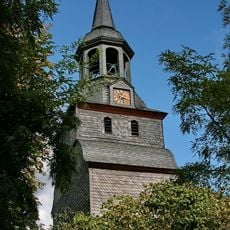
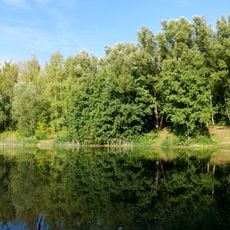
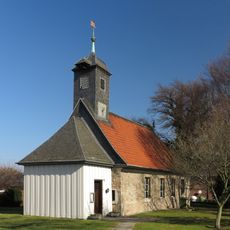
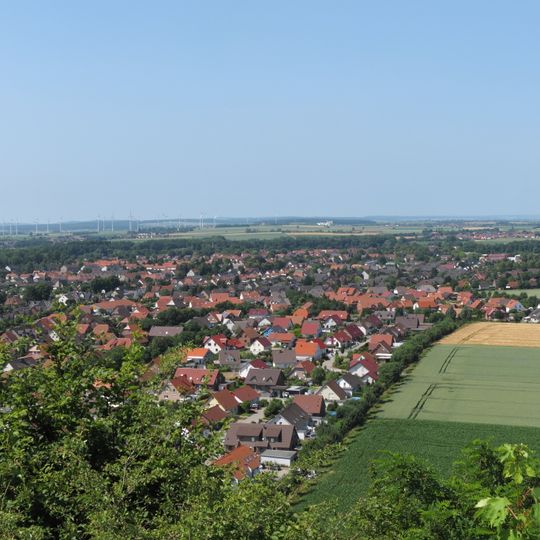
Lengede is a small municipality in the Peine district of Lower Saxony, composed of several districts including Barbecke, Broistedt, Klein Lafferde, and Woltwiesche. The settlements spread across quiet terrain with open fields and small forested areas, shaped by a history of iron mining and large artificial ponds that once served as water reservoirs for mining operations.
Lengede was a significant iron mining center for decades, with the Mathilde pit playing a central role and requiring large artificial lakes for water supply. On October 24, 1963, disaster struck when one of these lakes broke through, trapping 79 miners underground; an internationally watched rescue operation using specialized drilling equipment saved eleven men, though 29 ultimately perished.
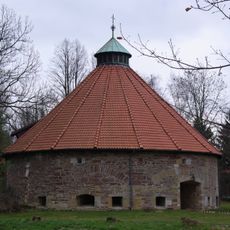
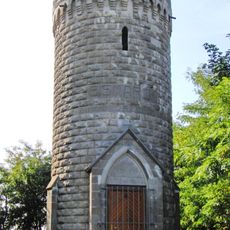
Visitors can explore the quiet landscape on foot or by bicycle, seeing old mining structures and artificial ponds that mark the area's history. The various districts are easily accessible and work well for day trips, particularly for those interested in learning about rural Germany and its heritage.
The 1963 disaster became known as the 'Miracle of Lengede' because some miners survived longer than two weeks underground, which baffled medical experts and rescue techniques at the time. This extraordinary story brought international attention to the town and remains remembered today as an example of community strength and resilience in crisis.
The community of curious travelers
AroundUs brings together thousands of curated places, local tips, and hidden gems, enriched daily by 90,903 contributors worldwide.