Heidenheim Abbey, Benedictine monastery in Heidenheim, Germany.
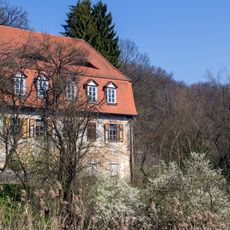
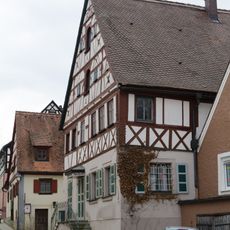
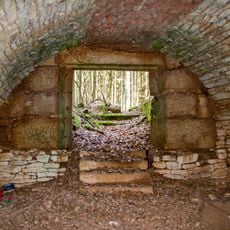
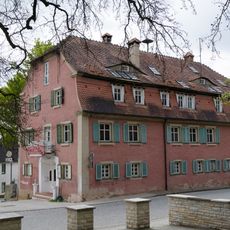
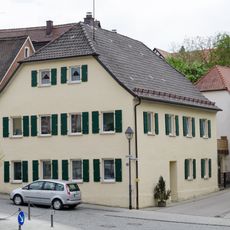
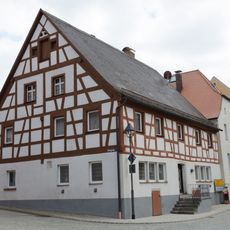
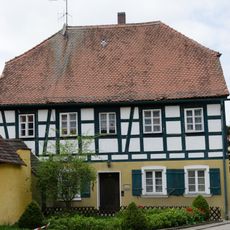
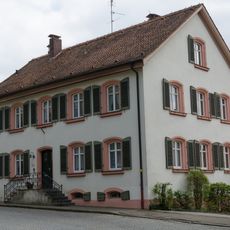
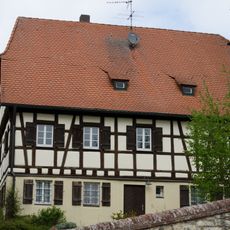
Heidenheim Abbey is a Benedictine monastery in Bavaria featuring a Romanesque basilica and historical monastic buildings arranged around a central courtyard. The complex includes the church of St. Winibald, a medieval storage barn, and surviving sections of the original monastery walls.
Wunibald founded the abbey in 752 with his brother Willibald, bishop of Eichstätt, as a Benedictine mission post in the Sualafeldgau. After Wunibald died in 761, their sister Walburga led it as a double monastery. Around 790 it became a college of secular canons; in 1155 it returned to Benedictine rule and was dissolved in 1537 during the Reformation.
The abbey's name comes from Saint Wunibald, whose tomb in the church became a pilgrimage site after miracles were reported there. The Walburgisgrab, a early 13th-century tomb chapel, shows Walburga holding a book and sceptre, with three English lions at its foot. Today the former monastery serves as an education and conference centre with a museum, monastery shop, concerts and spiritual events.
The former abbey buildings have served since 1537 as residences and administrative offices and are now a education and conference centre with a museum and monastery shop; the church, the former abbey church, is the Protestant-Lutheran parish church of St. Wunibald. The site is in Heidenheim in the Sualafeldgau of Middle Franconia, in the Diocese of Eichstätt.
The Walburga tomb in the church, made in the early 13th century, holds an empty tumba: her relics were taken to Eichstätt, and only the three English leopards on the foot end recall her royal descent. The original grave is empty.
The community of curious travelers
AroundUs brings together thousands of curated places, local tips, and hidden gems, enriched daily by 92,893 contributors worldwide.