Aschendorfer Obermoor / Wildes Moor, nature reserve in Lower Saxony, Germany
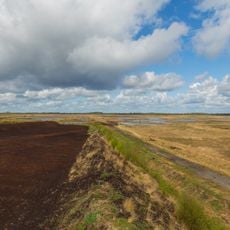
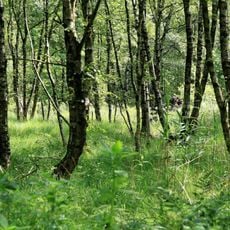
The Aschendorfer Obermoor/Wildes Moor nature reserve covers 1,056 hectares south of Papenburg, with over two-thirds forming the FFH area "Krummes Meer, Aschendorfer Obermoor". The core zone retains remnant bog vegetation, while drained and peat-cut sections are being regenerated by rewetting. In the north, the Krumme Meer is a partly silted-up moor lake with floating mats and moorland heath.
The moor was heavily altered over centuries through peat extraction for fuel and gardening, with sections drained for other uses. The area received protected status in 2007 to preserve remaining natural peatlands and allow rewetting projects to restore original hydrological conditions.
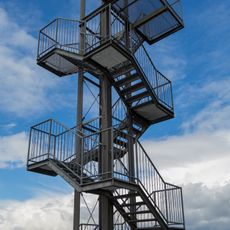
The "Krummes Meer" section takes its name from a partly silted-up bog pool (Moorkolk) in the northern part of the reserve, on Papenburg territory. A circular moor nature trail laid out on former service tracks and embankments, with information boards and a small viewing platform, lets visitors see the regenerating bog and its surroundings.
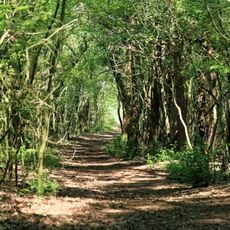
A marked circular trail guides visitors through the area, with clear signs instructing visitors to stay on paths and keep dogs leashed to protect wildlife during breeding seasons. Waterproof clothing is recommended due to the wet and often windy conditions, and parking is available at a nearby lot off Birkenallee for convenient access.
The reserve absorbed the former "Krummes Meer" nature reserve, designated on 6 August 1983 and about 90 hectares in size, which lay in the north on Papenburg territory. There a partly silted-up bog pool (Moorkolk) with floating mats and moorland heath survives. Rewetting began in 1997 as compensation for the Papenburg test site built between 1995 and 1998.
The community of curious travelers
AroundUs brings together thousands of curated places, local tips, and hidden gems, enriched daily by 94,259 contributors worldwide.