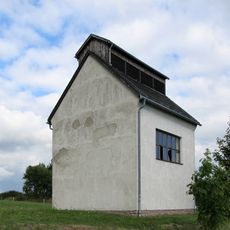
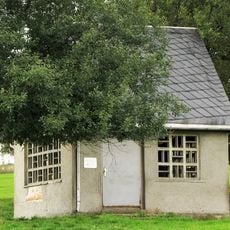
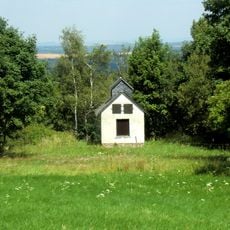
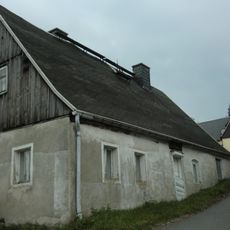
Aschergraben, Heritage monument in Altenberg, Germany
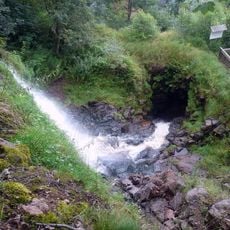
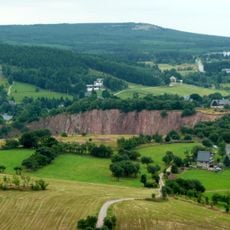
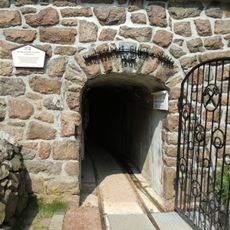
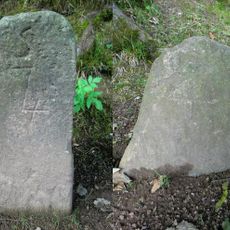
Aschergraben is an artificial ditch about 7.4 km long, begun in 1452–1458 southeast of Altenberg. It starts near Cínovec on the slopes of the Zinnwalder Berg at roughly 880 m, crosses the Czech-German border, and follows the Zinnwaldgrundbach before rounding the Schaarspitze and passing under the Geisinger Straße to empty into the Tiefenbach. Its fall is only 0.3–0.6%, about 80 m over the whole run.
Built between 1452 and 1458, the Aschergraben supplied water to the Altenberg tin works, where 16 washing plants with over 1000 stampers could not be fed by the Tiefenbach alone. In 1464 Hans Müntzer of Graupen sold the ditch to the Altenberg tin miners for 30 hundredweight of tin. In the mid-16th century the Neugraben, Quergraben and the Galgenteiche ponds extended the system.
The name likely comes from the Ascher guild, who burned potash in the forests for making soft soap and may have used the channel path. A legend says a condemned man saved his life by leading water over three hills to the Altenberg mines. Since 2019 the ditch has been part of the UNESCO Mining Region Erzgebirge/Krušnohoří.
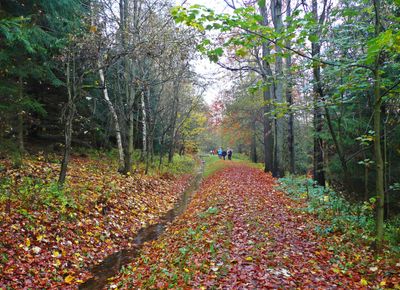
The former Grabensteig between Zinnwald and Altenberg now serves as a hiking trail and forms part of the cross-border mining educational path. The channel itself still carries water and is partly covered with boards for protection, so walkers should stay on the path. The ditch drops about 80 metres over its 7.4 km length, with a gradient of only 0.3 to 0.6 percent.
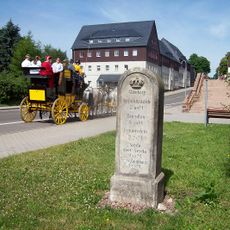
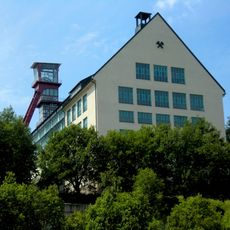
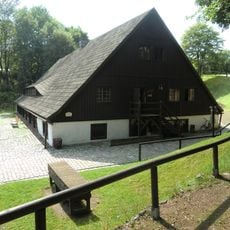
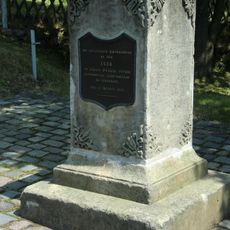
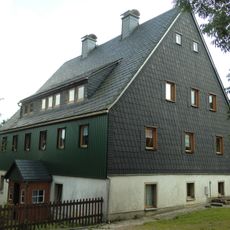
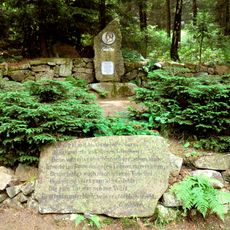
Between 1916 and 1945 the water of the Aschergraben drove a turbine in a smelting building on the Tiefenbach, fed with an average of 200 litres per second over a 96-metre drop and producing 140 kW for the 5 kV three-phase grid. A 1913 monument beside the ditch recalls Goethe's walk from Zinnwald to Altenberg in July 1813.
The community of curious travelers
AroundUs brings together thousands of curated places, local tips, and hidden gems, enriched daily by 94,102 contributors worldwide.