Besenhorster Sandberge und Elbsandwiesen, Nature reserve in Geesthacht, Germany.
Besenhorster Sandberge und Elbsandwiesen is a nature reserve near Hamburg that combines dry sandy grasslands, inland dunes, and oak woodlands in a single landscape. The area spans roughly 150 hectares and is accessible via two parking areas at the edge of Geesthacht, from which a 5-kilometer network of marked walking routes extends.
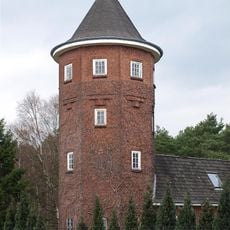
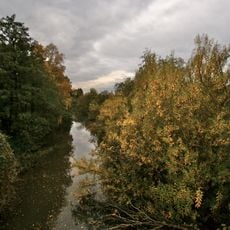
The Düneberg powder factory left numerous ruins across the site, which was later protected as a nature reserve. Since the Geesthachter Schleuse was built in 1955, the area has no longer been subject to a river valley's natural dynamics, though water still rises in the flood hollows during high water despite a dike separating them from the Elbe.
The reserve's name comes from the Besenhorst sandy hills and the Elbe meadows beside them. Visitors can still see ruins of the former Düneberg powder factory scattered across the grounds, and grazing and mowing keep the dunes and meadows from turning into woodland.
Wear sturdy footwear since the paths cross sandy and hilly terrain that can become slippery in wet conditions. Drier weather makes walking more pleasant and easier to navigate through the reserve.
The striped bush-cricket reaches its northwesternmost German site here, a fact recorded for the reserve's dry, lime-rich sand turf. The species is one of several grasshoppers found in the area, which is also used in winter by many bird species.
The community of curious travelers
AroundUs brings together thousands of curated places, local tips, and hidden gems, enriched daily by 93,449 contributors worldwide.