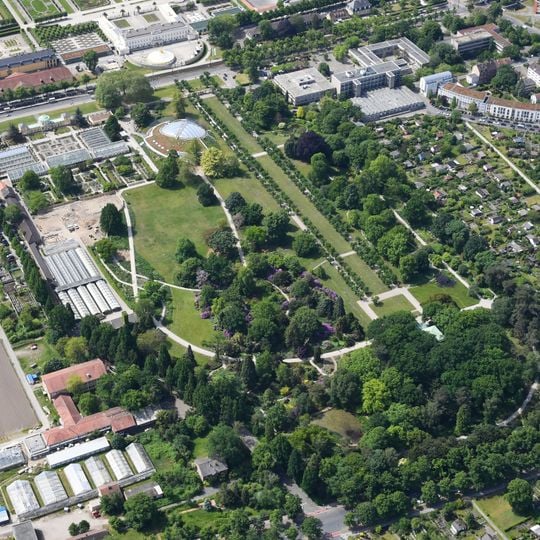
Berggarten, Botanical garden in Herrenhausen-Stöcken, Germany.
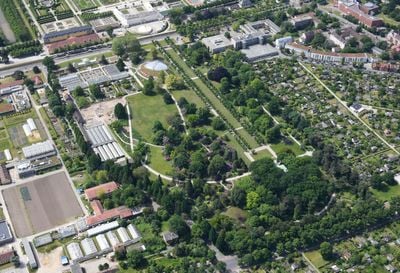
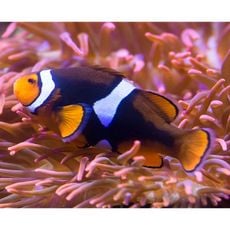
The Berggarten is a botanical garden in Herrenhausen-Stöcken whose show houses hold about 12,000 plant species, among them Europe's largest orchid collection. A long pruned allée runs beside a broad lawn with a domed pavilion, and glass-roofed greenhouses and red-roofed service buildings stand to one side. The former rainforest house, built for Expo 2000, now holds a SeaLife aquarium with an eight-metre acrylic tunnel.
Duke Johann Friedrich laid out the Berggarten in 1666 as a kitchen garden on a levelled sand hill north of Herrenhausen Palace. Electress Sophie turned it into a garden for exotic plants, and a greenhouse followed in 1686; rice failed, but tobacco and mulberry trees thrived, and from 1706 Herrenhausen leaves fed the silk-rearing works at Hameln. When the Linden kitchen garden took over court supplies in 1750, the Berggarten became purely botanical.
The garden's name means "mountain garden", from the sand hill it occupies. Its largest orchid collection in Europe is displayed in the Schauhäuser. Since 1706, mulberry leaves from here fed silkworms at the Hameln royal silk manufactory, though the rearing did not pay off long-term.
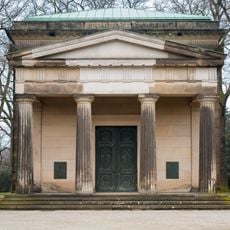
The garden lies north of the Great Garden, across Herrenhäuser Straße, and is reached by the allée that runs from the street to the Welfenmausoleum. The display houses and themed gardens sit close together, with the heath and moor planting in the northern part of the grounds. The SeaLife aquarium occupies the former rainforest house.
The Canary Island house, about 40 years old, has been demolished and replaced by a three-part display house begun in 2022 and planned for completion in 2024. One section is to hold the tropical giant water lily in a warm-water basin and give space to exotic butterflies.
The community of curious travelers
AroundUs brings together thousands of curated places, local tips, and hidden gems, enriched daily by 94,344 contributors worldwide.