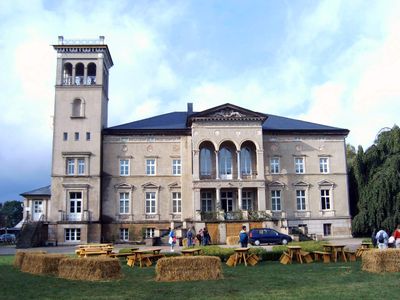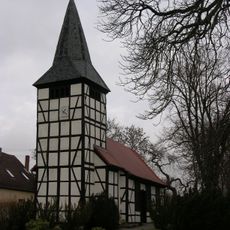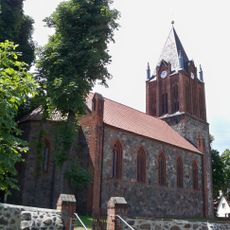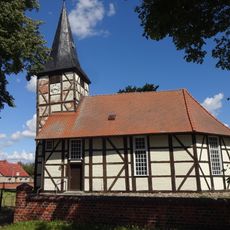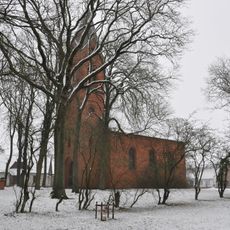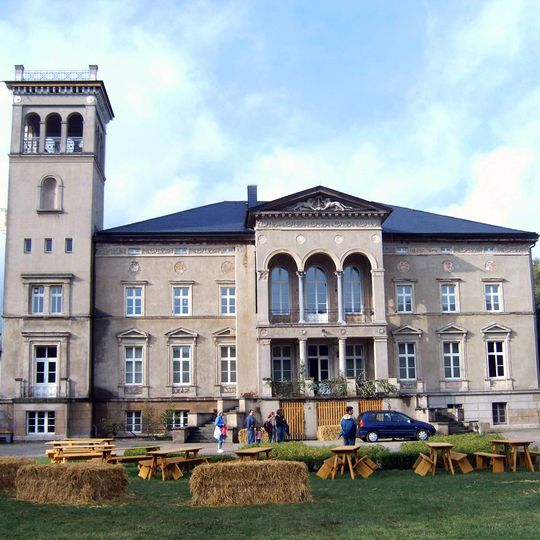
Schloss Kunrau, Renaissance Revival castle in Kunrau, Germany.
Schloss Kunrau is a castle featuring Renaissance Revival architecture, distinguished by its symmetrical facade, decorated windows, and intricately carved stonework along the exterior walls. The building showcases characteristic features of this architectural style with carefully considered design details.
Schloss Kunrau was built between 1859 and 1861 in Italian Renaissance style for Theodor Hermann Rimpau, who developed a method of draining marshy land. After the Second World War it was looted, then housed homeless refugees until 1949, and was later converted into a cultural centre. The estate itself had belonged to the von Alvensleben family since 1559, when Valentin von Alvensleben settled twelve farmers there.
The building was looted after the Second World War and until 1949 sheltered people left homeless by the war; it was later converted into a cultural centre. Today it houses the administration of the Verwaltungsgemeinschaft Klötze and an environmental centre, and civil wedding ceremonies are held here.
Schloss Kunrau now houses the administration of the Verwaltungsgemeinschaft Klötze and an environmental education centre, and civil wedding ceremonies are held here. Visitors should therefore check locally whether the building is open to the public on the day of their visit, as it is primarily a working administrative site rather than a museum.
The castle was built between 1859 and 1861 for Theodor Hermann Rimpau, who developed the method of draining marshy land. Its 22.5-metre tower and interior wood carvings are easy to overlook; the building now houses the Klötze administrative community office and an environmental education centre, and wedding ceremonies are held here.
The community of curious travelers
AroundUs brings together thousands of curated places, local tips, and hidden gems, enriched daily by 94,638 contributors worldwide.