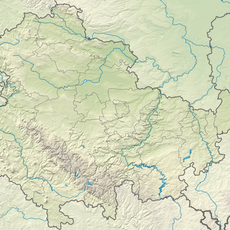
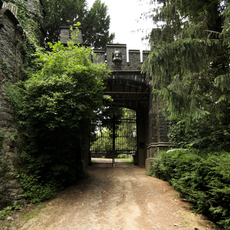
Bleßberghöhle, Karst cave in Thuringia, Germany.
Bleßberghöhle is a karst cave in Thuringia that extends through limestone with underground passages and layered sediments. The cavern features numerous stalactites and mineral deposits created over thousands of years of water movement and chemical processes.
The cave remained sealed and inaccessible for thousands of years until its discovery in modern times. This long isolation preserved the geological features in their original state and created a valuable historical record of Earth's environmental changes.
The cave draws researchers who study its undisturbed layers and formations to understand past climate conditions and geological processes. Visitors can experience through guided scientific projects how nature preserves a record of environmental change over long periods.
Access requires special permits and visits are limited to organized research projects with prior coordination. Interested visitors should contact research organizations or environmental authorities to arrange participation in guided scientific expeditions.
The cave functions as a natural climate archive where undisturbed sediments and formations preserve records of water and temperature conditions spanning thousands of years. This exceptional data allows scientists to reconstruct detailed patterns of how environments changed in the past.
The community of curious travelers
AroundUs brings together thousands of curated places, local tips, and hidden gems, enriched daily by 92,672 contributors worldwide.