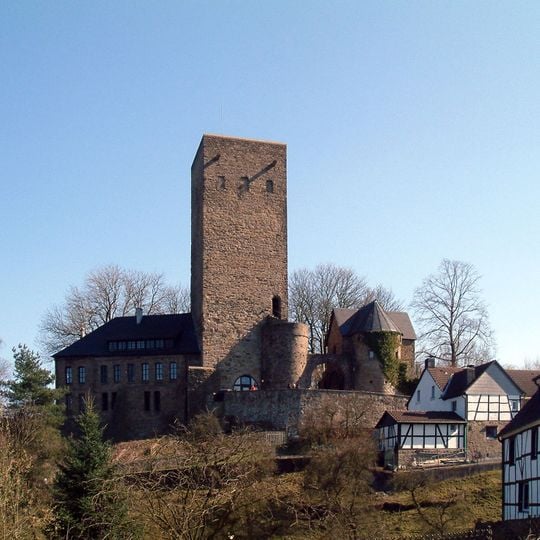
Blankenstein Castle, Medieval castle ruins in Hattingen, Germany
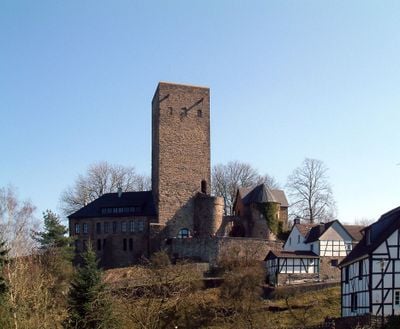
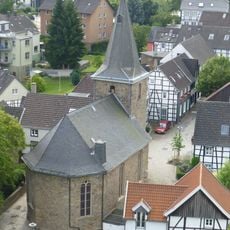
Blankenstein is a castle ruin on elevated ground above the Ruhr River, with a remaining tower and sections of its original defensive wall intact. The site also includes buildings from different periods that show how the structure served various purposes throughout the centuries.
Adolf I, Count of the Mark, ordered the castle built on 12 May 1226, and it was ready by 1243. In 1321 Engelbert II confirmed Bochum's market rights here. Spanish troops occupied it in 1614, and in 1662 Frederick William of Brandenburg ordered its demolition; only the tower and parts of the curtain wall survived.
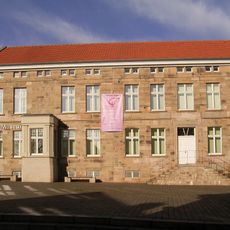
The name comes from the bare rock spur above the Ruhr, called a "blancker Steyn" in the 1226 founding order. The castle was one of four main seats of the Counts of the Mark, and a small settlement, the nucleus of today's Blankenstein, grew within its outer ward. A restaurant now occupies the two-storey stone building north of the tower.
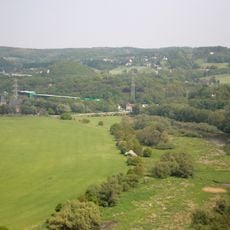
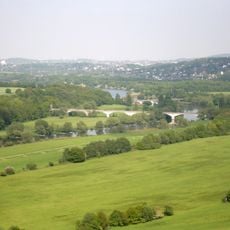
The tower is accessible year-round and offers wide views from its observation platform over the surrounding city and lakes. Visitors should expect uneven paths and steep stairs, particularly when climbing to the tower top.
The tower's roughly 2.80-metre-wide gate passage is now walled up, which identifies it as a gate tower rather than a keep. A 0.65-metre-wide corridor runs inside the wall thickness from the entrance, about nine metres up, to the top level. The ruined building on the eastern ring wall is often called a chapel but never served as a sacred structure.
The community of curious travelers
AroundUs brings together thousands of curated places, local tips, and hidden gems, enriched daily by 94,228 contributors worldwide.