Hattingen, Medieval trading municipality in North Rhine-Westphalia, Germany
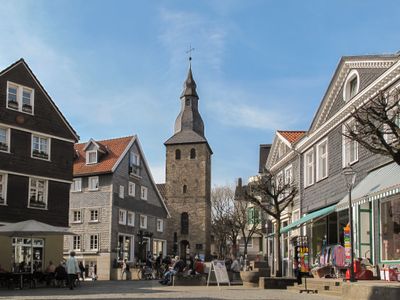
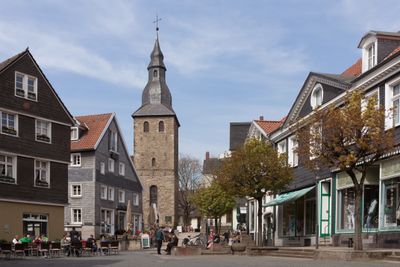
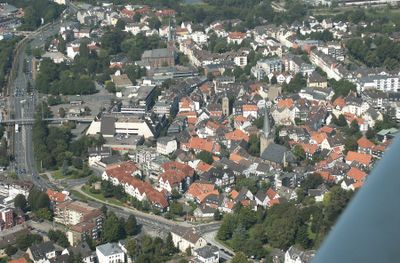
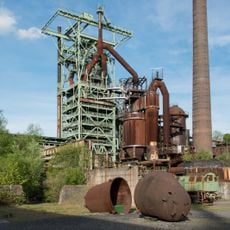
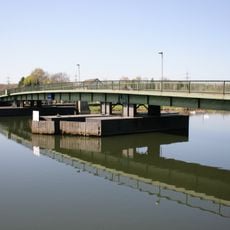
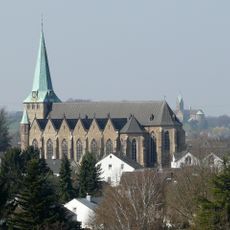
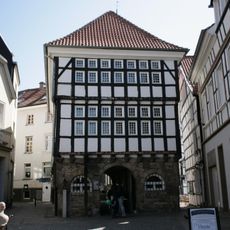
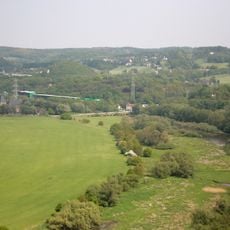
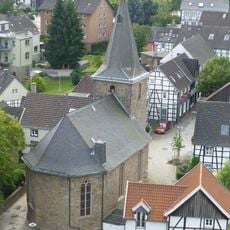
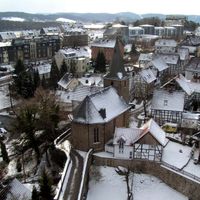
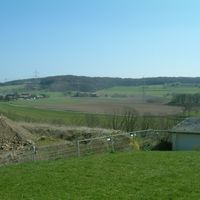
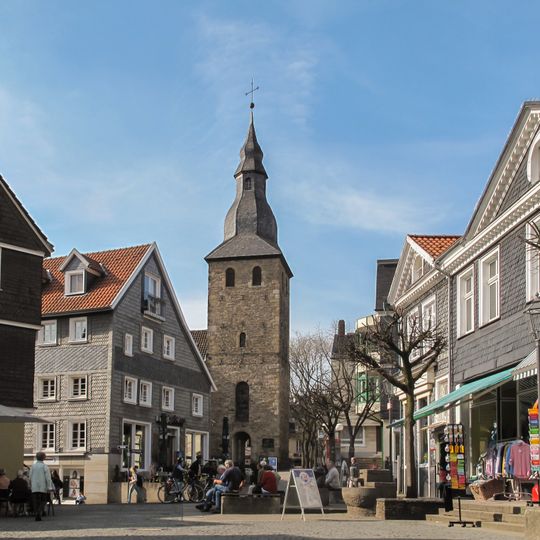
Hattingen is a town in the Ennepe-Ruhr district of North Rhine-Westphalia that stretches along the southern bank of the Ruhr River and is surrounded by forested hills and former industrial sites. The old town sits on a slope above the river and features timber-framed houses, narrow alleys and remnants of the medieval town wall.
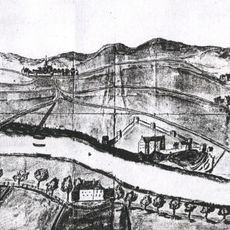
The settlement was first documented in the 9th century and grew into a trading hub along the Ruhr River. In 1396, the Count of Mark granted town rights, which increased its political and economic importance.
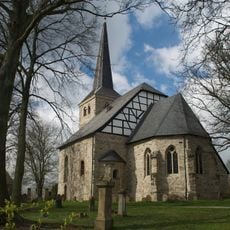
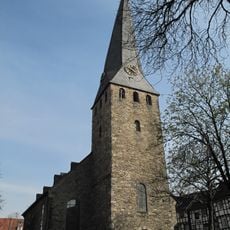
The name comes from an early medieval settlement and connects today with the timber-framed houses visitors discover while walking through narrow lanes. Around the market square and near St. Georg Church, cafés and small shops gather and bring life to the center.
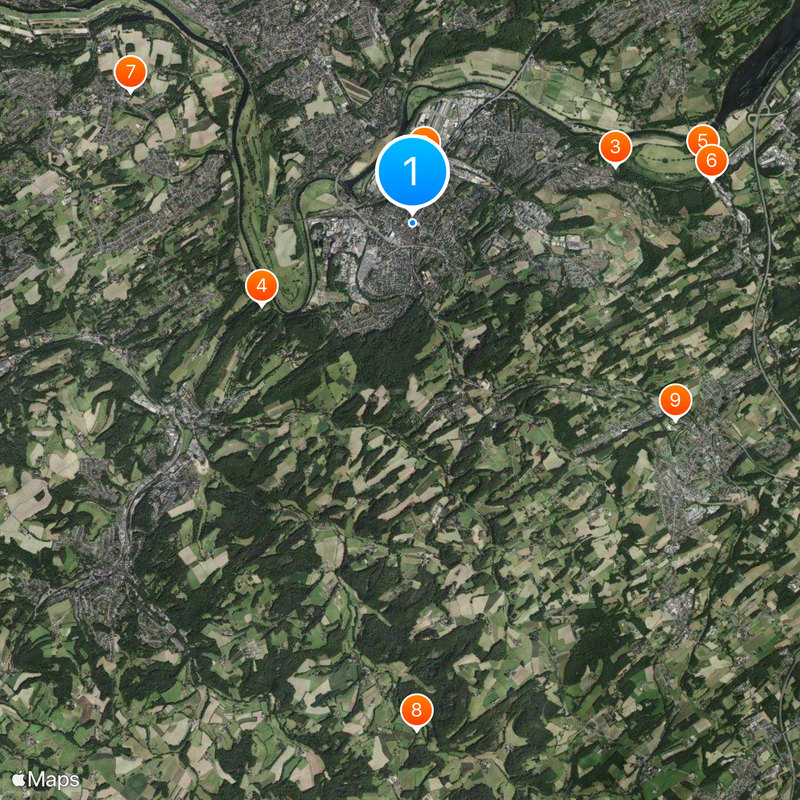
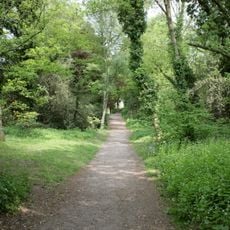
The old town is easy to explore on foot and sits about a 10-minute walk from the train station, with a gentle uphill path. Visitors planning a longer walk can follow the Ruhr riverside trail, which passes through green spaces and along former industrial monuments.
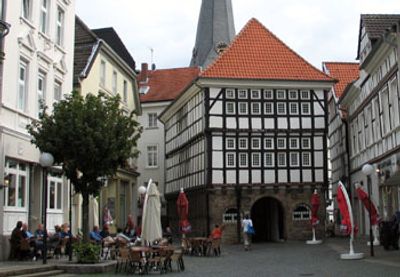
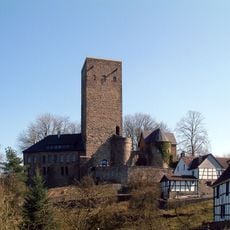
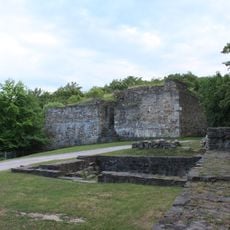
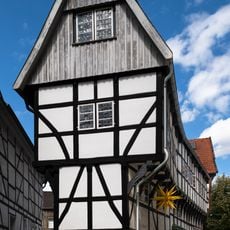
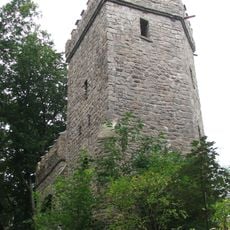
The old town contains the oldest timber-framed house in the region, dating from 1396 and now housing a small museum. Several sections of the medieval fortifications remain visible, including a well-preserved defensive gate.
The community of curious travelers
AroundUs brings together thousands of curated places, local tips, and hidden gems, enriched daily by 92,188 contributors worldwide.