Burg Bodenstein, Medieval castle in Thuringia, Germany.
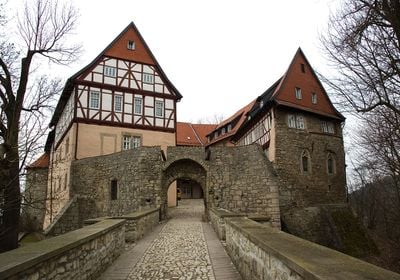
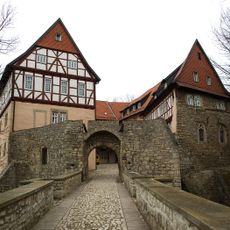
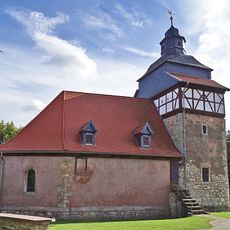
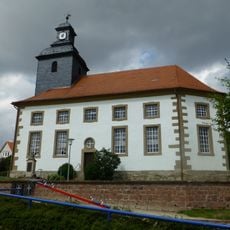
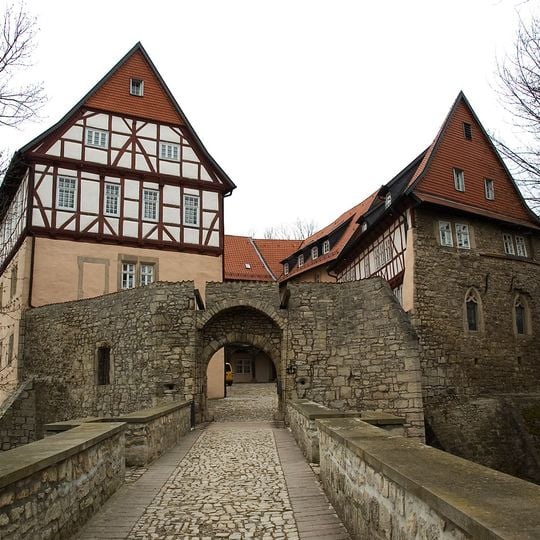
Burg Bodenstein is a medieval hill castle above the village of Wintzingerode in the Ohmgebirge, northern Thuringia. A rough grey and brown stone wall with a round-arched gateway and a walkway leads into a paved courtyard. Behind it stand a half-timbered building with a steep red tiled roof and a stone building with several windows.
Burg Bodenstein began as a border post between Saxons and Franks and was fortified under Henry I against Hungarian raids. In 1275 it passed to the Welfs, who sold it in 1337 to Hans von Wintzingerode and three co-owners; the Wintzingerode family bought out the others by 1448 and held the castle until 1945. Thomas Müntzer's peasant troops destroyed large parts of it in 1525, and it was rebuilt soon after.
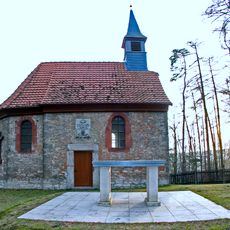
The castle's chapel was added in 1668. Today the site serves as a family holiday and meeting centre of the Evangelical Church in Central Germany, hosting castle concerts, cabaret evenings and political discussion evenings, with themed holiday camps at holiday and festival times.
Sturdy shoes are a good idea since the grounds have uneven surfaces and several sets of stairs to navigate. Most areas of the site are accessible during the warmer months, making that the better time to plan a visit.
Burg Bodenstein is the best-preserved castle in the Eichsfeld. From 1448 until 1945 it belonged solely to the lords of Wintzingerode, who had been enfeoffed with it and its villages by Count Heinrich of Hohnstein on 9 June 1448. The family gave the castle and the village below their name.
The community of curious travelers
AroundUs brings together thousands of curated places, local tips, and hidden gems, enriched daily by 92,619 contributors worldwide.