Burg Freudensee, Medieval castle in Bavaria, Germany.
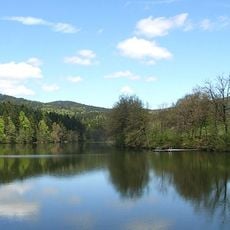
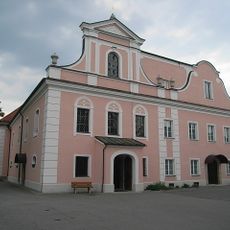
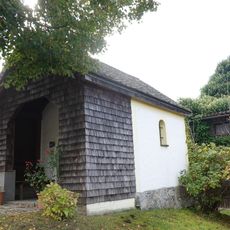
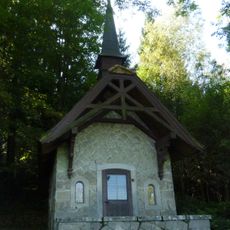
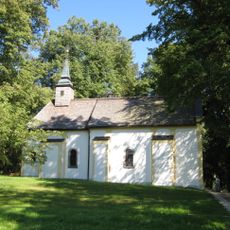
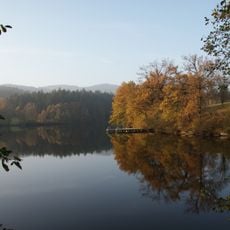
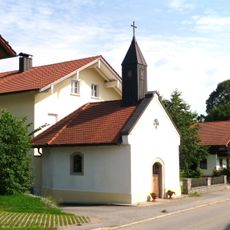
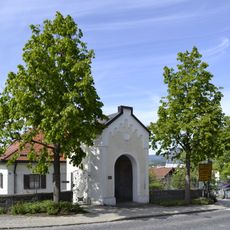
Burg Freudensee is a ruined former manor house on the shore of Freudensee lake in Hauzenberg, Bavarian Forest. Around 1870 the Mörtl family converted the former castle chapel into a dwelling and added a stable and barn; these ivy-clad buildings are still inhabited. The site is recorded as a protected monument and as an underground archaeological monument.
The castle's early history is unknown; it was likely held by episcopal ministerials or noble families and may have stood abandoned for long periods. In the 15th century it passed into the direct possession of the Bishopric of Passau and was restored. Bishop Georg I. von Hohenlohe (1390–1423) used it as a hunting lodge. From the 16th century the castle was abandoned and the Pfleggericht dissolved; the fishponds remained in prince-bishopric hands until the secularization of 1805 brought the territory to Bavaria.
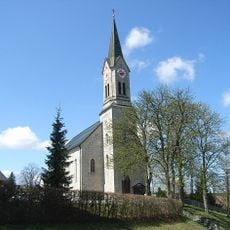
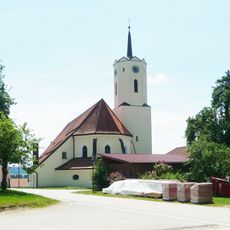
The late-Gothic winged altar from the castle chapel, made around 1500 in the workshop of Rueland Frueauf the Elder, was moved to the parish church of St. Vitus in Hauzenberg. The former chapel itself was converted into a dwelling around 1870 by the Mörtl family, and the ivy-covered buildings are still lived in today.
The castle grounds can be reached through marked local routes and are accessible by foot or regional transport. Wearing sturdy shoes is wise since the terrain and walkways can be uneven.
The late-Gothic winged altar from the castle chapel, made around 1500 in the workshop of Rueland Frueauf the Elder, was moved to the parish church of St. Vitus in Hauzenberg. The ivy-covered former chapel, converted into a dwelling around 1870 by the Mörtl family, is still inhabited today.
The community of curious travelers
AroundUs brings together thousands of curated places, local tips, and hidden gems, enriched daily by 92,763 contributors worldwide.