Gord of Ruppin, Slavic hillfort site on an island in Neuruppin, Germany
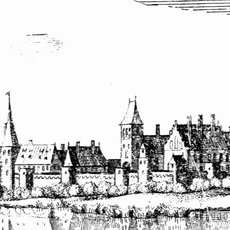
The Gord of Ruppin is a Slavic hillfort site on Poggenwerder, an oval island in the Ruppiner See measuring about 100 m across, in the Alt Ruppin district of Neuruppin. Only faint rampart traces remain at the island edges; excavations in the 19th century uncovered wooden constructions, beam works and fieldstone layers. Across a former wooden bridge, the Amtswerder peninsula held a fortified craft settlement.
The island fort was built around the end of the 9th century as the seat of the Slavic Zamzizi, with a fortified craft settlement on the Amtswerder peninsula that flourished in the 11th century. A wooden bridge linked the two. By about 1150 the fort was destroyed or abandoned during the Wendish Crusade, and around 1200 the German castle of Ruppin rose on the Amtswerder.
This site demonstrates how Slavic communities protected their settlements through strategic placement of earthworks and stone structures. The visible remains show today how these early defensive systems were constructed and organized in the region.
The site is on Poggenwerder island in the Ruppiner See, reachable only by boat; the island is oval, about 100 m across. Only faint rampart traces remain at its edges, so look for slight rises in the ground rather than walls. The fortified outer settlement lay opposite on the Amtswerder peninsula near Alt Ruppin.
The island's Slavic name Poggenwerder comes from the Polabian word for frog, a reminder that the hillfort stood in the Ruppiner See. Excavations on the island and the Amtswerder peninsula found late Slavic and early German pottery, knives, spearheads, coins and a mould for Wendish pennies.
The community of curious travelers
AroundUs brings together thousands of curated places, local tips, and hidden gems, enriched daily by 92,721 contributors worldwide.