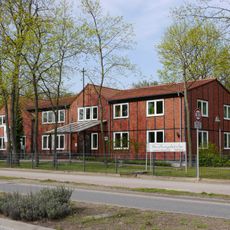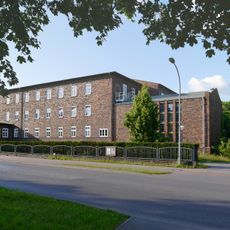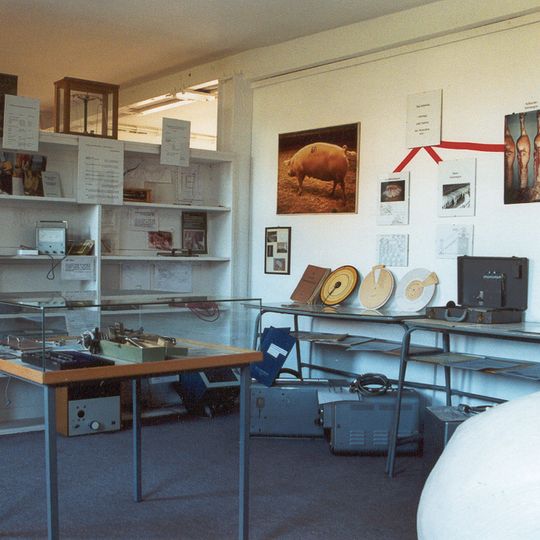
Deutsches Schweinemuseum, Agricultural history museum in Teltow, Germany
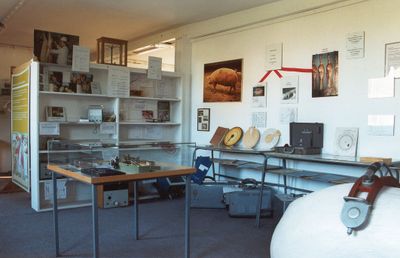
The German Pig Museum is an agricultural museum in Teltow dedicated to showing the history of pig breeding and the farming practices that developed across generations. Its display includes information on different pig varieties and the practical knowledge involved in raising these animals.
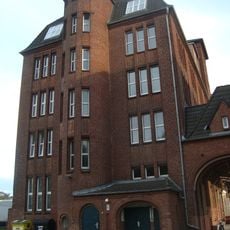
The museum was created as a commemoration of a teaching and research institute focused on animal breeding, with its main exhibition opening in the second half of the 1990s. This founding reflects an important period in the history of modern farming and how science influenced agricultural practices.
The collection includes breeding records, photographs of different pig varieties, and ceramic objects that show how farming communities valued and maintained their animals. These items reveal the choices farmers made about which breeds to keep and how their preferences changed over generations.
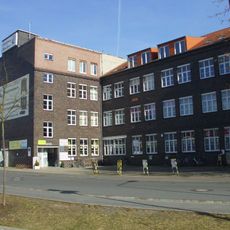
The location is walkable from central Teltow and situated in an easily accessible area. Visitors should check opening days and times before visiting, as hours vary depending on the season.
The collection preserves one of Europe's oldest piggy banks from the 13th century and a statue of a famous sow known for her exceptionally large offspring. These two objects reveal different ways people connected with these animals, from playful representations to admiration for their breeding achievements.
The community of curious travelers
AroundUs brings together thousands of curated places, local tips, and hidden gems, enriched daily by 91,082 contributors worldwide.