Deutsches Tabak- und Zigarrenmuseum, Tobacco and cigar museum in Bünde, Germany
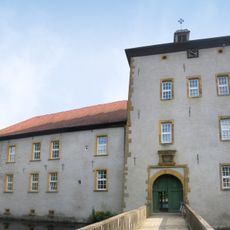
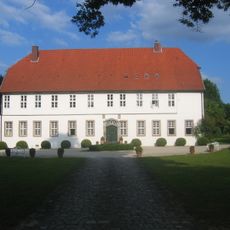
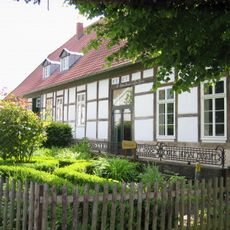
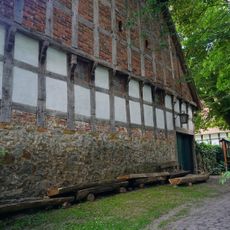
The German Tobacco and Cigar Museum occupies the Striedieckscher Hof, a half-timbered farmhouse built in 1828 and partly converted into a cigar factory after 1870. Its displays show the cigar-making process step by step, alongside machines, pipes, packaging and marketing items from the industry's peak. Exhibits came from local cigar factories and from smokers such as Hermann Löns and Count Luckner.
The museum was established in 1937 after the region became a major tobacco production center around 1900. This period marked a time when factories flourished and shaped the economic character of the area.
The museum's name refers to the German tobacco and cigar industry, and its collection was assembled with exhibits donated by many local cigar factories. Pipes once owned by famous smokers such as the writer Hermann Löns and Count Luckner are on display. The permanent exhibition also shows the living and working conditions of the proto-industrial workforce.
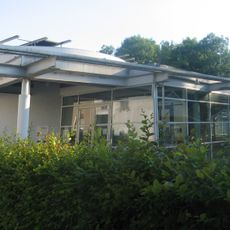
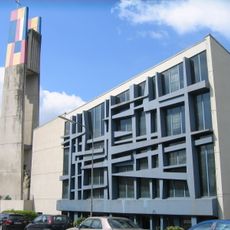
The museum occupies the Striediecksche Hof, a timber-framed farmhouse built in 1828 and partly converted into a cigar factory after 1870. It stands on the Museumsinsel beside the Dobergmuseum, which moved into a new building next door in 1999. The exhibition rooms were fully renovated in 2009 and 2010 and reopened on 30 October 2010.
The museum displays an enormous cigar replica measuring roughly 1.60 meters in length that could theoretically burn for 600 hours if ignited. This remarkable exhibit has become a notable attraction for visitors curious about the extremes of cigar craftsmanship.
The community of curious travelers
AroundUs brings together thousands of curated places, local tips, and hidden gems, enriched daily by 92,811 contributors worldwide.