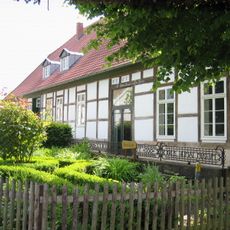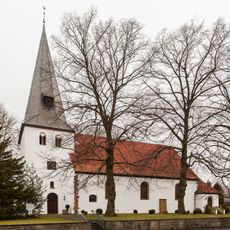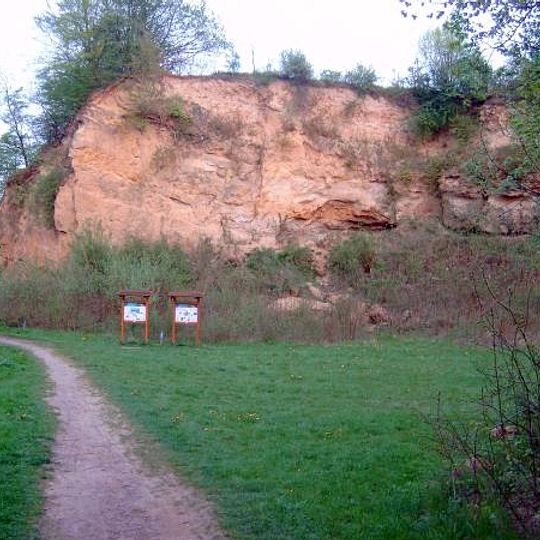
Doberg, Nature reserve and cultural heritage monument in Bünde, Germany.
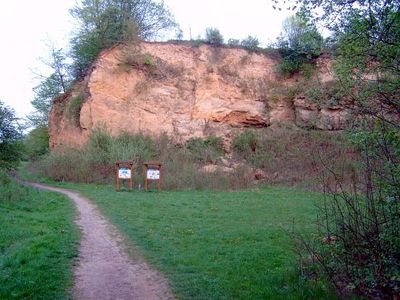
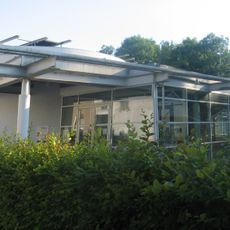
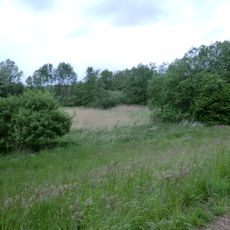
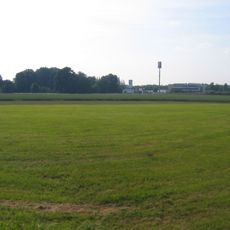
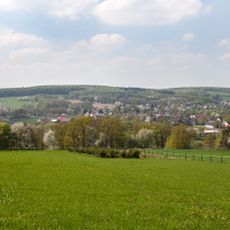
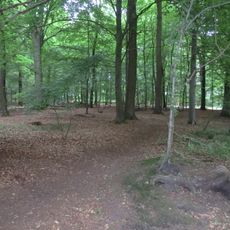
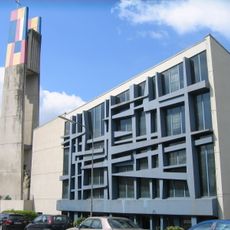
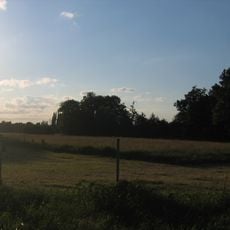
Doberg is a protected area covering about 48 hectares, combining meadows, wooded sections, and marshy zones at an elevation of around 105 meters. The on-site museum displays fossils from the Oligocene and documents the marine history of this region.
Major fossil discoveries of sea cows and whales occurred here in 1911 during marl extraction operations, making the site geologically renowned. These findings revealed that this region once lay beneath the sea and holds rich paleontological treasures.
The name reflects its geological significance, and the site draws visitors interested in understanding the region's natural past. The open slopes today serve as a place where one can directly observe the diversity of local nature.
The southern slopes are best for observing wildflowers such as Wild Carrot, Stemless Thistle, and Thyme. Visitors should wear sturdy footwear, as the terrain is uneven and can become slippery when wet.
This is the sole location in Northern Germany where the complete geological sequence of the lower, middle, and upper Oligocene can be observed. This rare sequence makes it an important reference site for paleontologists and geology students.
The community of curious travelers
AroundUs brings together thousands of curated places, local tips, and hidden gems, enriched daily by 90,792 contributors worldwide.