Dobergmuseum, Geological museum in Bünde, Germany
The Dobergmuseum displays ancient marine creatures from the Oligocene period, which once inhabited the area around Bünde millions of years ago. The collection consists of fossils and skeletal remains discovered during excavations at the Doberg site.
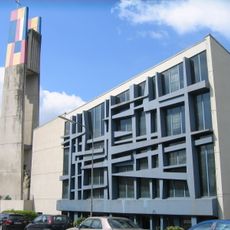
Bünde teacher Friedrich Langewiesche began excavating the Doberg in 1907 and first showed his finds at the town's Realprogymnasium. In 1927 he gave the collection to the city, which in 1937 handed it to the Herford district; a museum opened in the Striedieckscher Hof, with Langewiesche as its first director. The present building was erected in 1999, closed in 2009 for repairs and reopened on 22 December 2011.
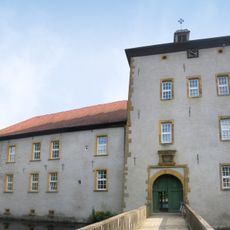
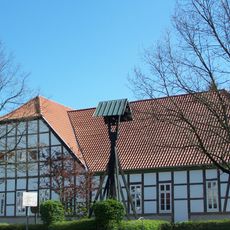
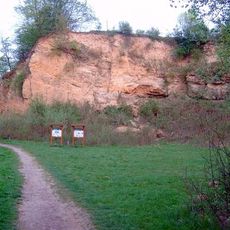
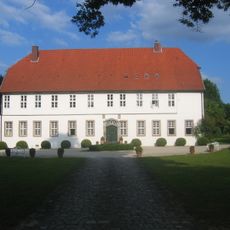
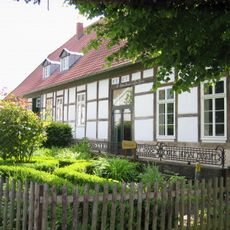
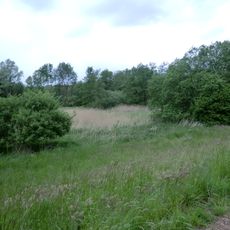
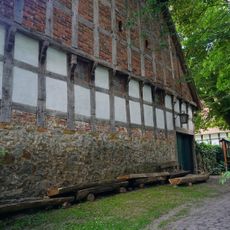
The museum takes its name from the Doberg, the fossil site whose Oligocene marine beds it interprets; the site is regarded as a stratotype for that epoch. It sits on the Museumsinsel, a cluster of half-timbered buildings that also houses the Deutsches Tabak- und Zigarrenmuseum and the Kreisheimatmuseum, all under the Museum Bünde umbrella.
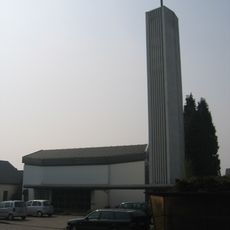
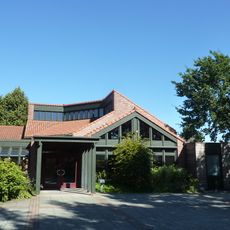
The museum sits on the Museumsinsel, an ensemble of half-timbered houses plus the 1999 new building, next to the Striedieckscher Hof. It is part of the Museum Bünde network, so tickets and orientation cover the Kreisheimatmuseum and the German Tobacco and Cigar Museum as well. The building reopened on 22 December 2011 after a full renovation.
The museum's most valuable piece is a sea cow skeleton from 1912, where missing parts were intentionally reconstructed in gray plastic. This distinction between original and reconstructed portions shows the scientific approach to displaying fossils.
The community of curious travelers
AroundUs brings together thousands of curated places, local tips, and hidden gems, enriched daily by 94,017 contributors worldwide.