Rosenmüller Cave, Natural cave in Muggendorf, Germany
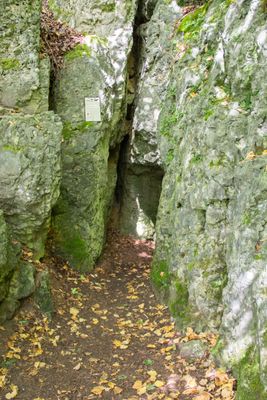
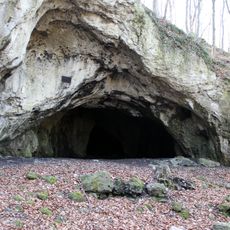
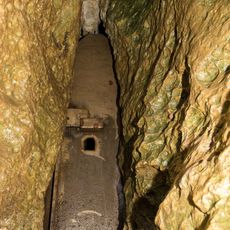
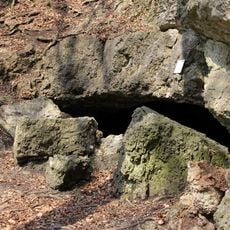
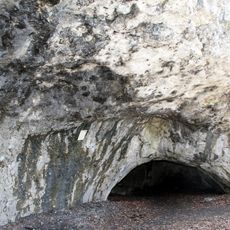
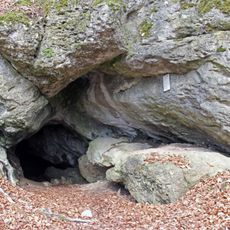
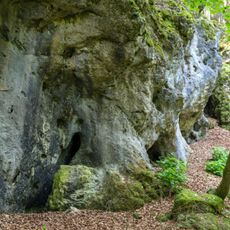
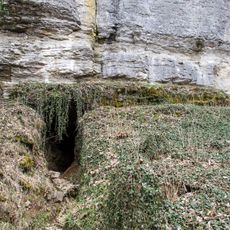
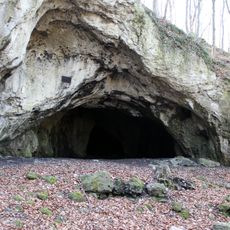
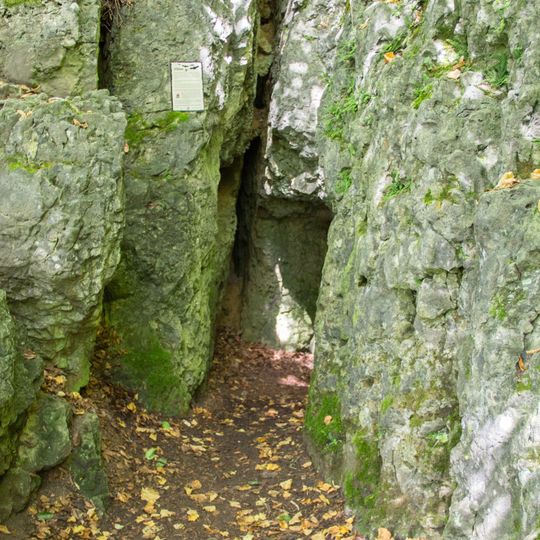
Rosenmüller Cave is a natural cave system in the Wiesenttal valley that extends approximately 112 meters (370 feet) into the hillside with a main chamber reaching about 16 meters (52 feet) in height. The entrance sits roughly 13 meters (43 feet) above the valley floor and provides access to multiple interconnected chambers and passages.
Johann Ludwig Wunder discovered the cave in 1790, and Johann Christian Rosenmüller visited it in 1793, a visit that established its present name. This early exploration marked the beginning of its importance in regional speleology.
The cave served as one of the earliest tourist attractions in Franconian Switzerland starting in the 1800s, drawing visitors curious to explore its passages. For generations, people navigated these chambers by candlelight, creating a distinct way of experiencing the underground world.
Access to the cave is closed from October through March to protect the eight bat species that hibernate there during winter months. Visitors should plan their trip during the open season in warmer months when exploration is permitted.
Inside the cave sits a large rocky debris pile called Parnass that visitors must climb over to reach additional chambers like the Wax Chamber. This unexpected obstacle transforms exploration into a physical adventure through the underground passages.
The community of curious travelers
AroundUs brings together thousands of curated places, local tips, and hidden gems, enriched daily by 91,507 contributors worldwide.