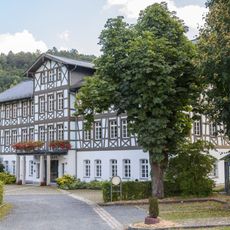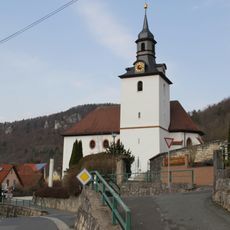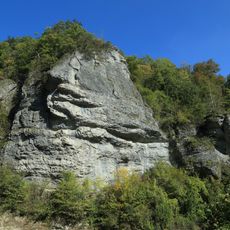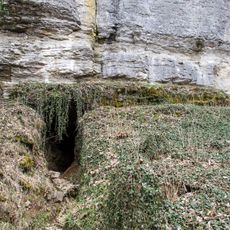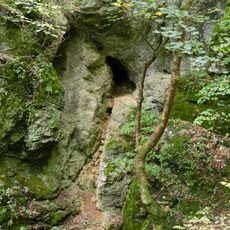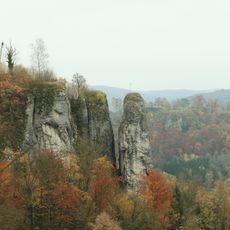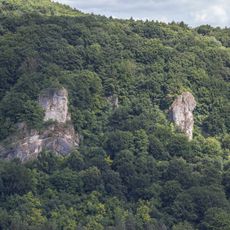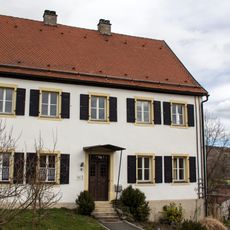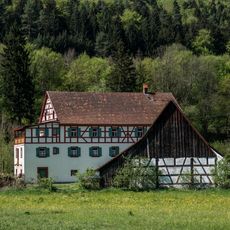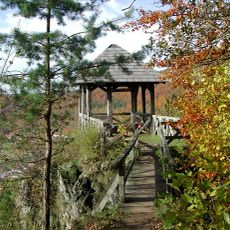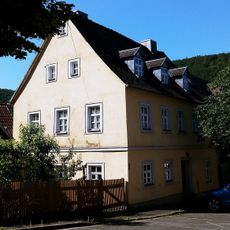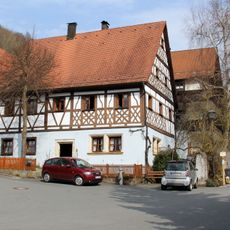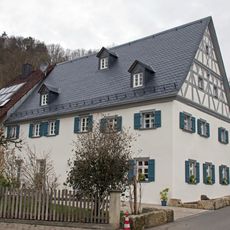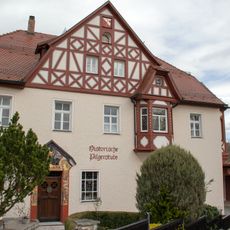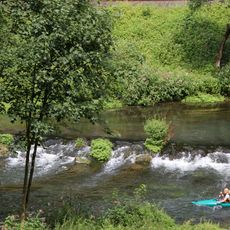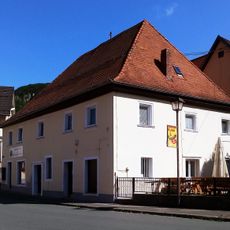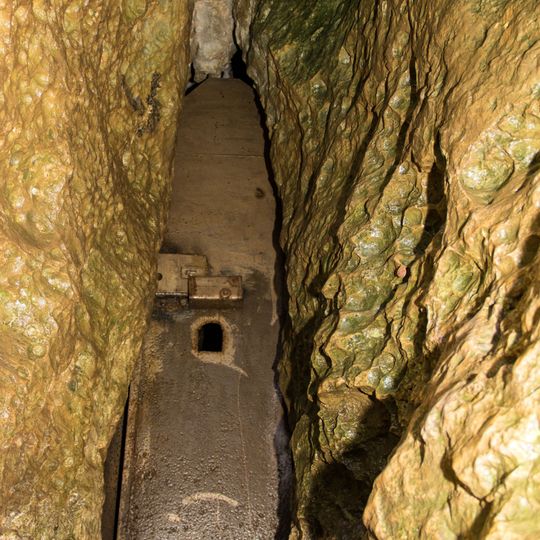
Schönsteinhöhle, Natural monument cave in Wiesenttal, Germany.
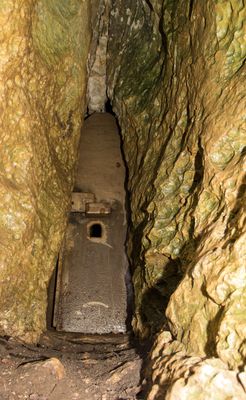
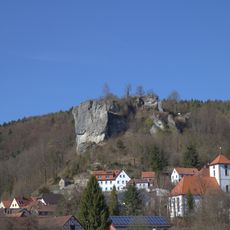
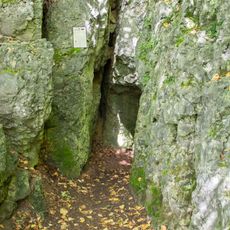
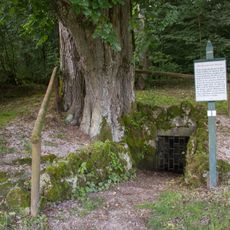
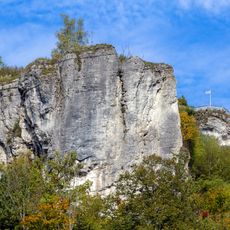
Schönsteinhöhle is a natural monument cave system in Wiesenttal carved through dolomite rock formations. The cave network includes several passages and shafts at approximately 450 meters elevation, displaying the geological character of the region.
The cave was first scientifically explored in 1774 by Johann Christian Rosenmüller, Johann Friedrich Esper, and August Goldfuß. This early investigation established the foundation for scientific understanding of this geological formation.
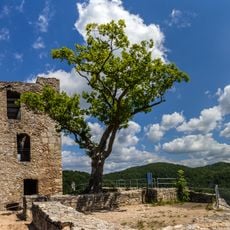
The region around this cave shows signs of ancient habitation through archaeological finds from different periods. Visitors walking through the area can sense the layers of human activity that stretch back centuries.
The cave is open to visitors from May through September, while it remains closed from October through March. The winter closure protects bat populations that use the cave for hibernation during these months.
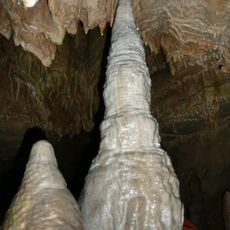
The main chamber displays old wooden walkways and mineral deposits left from earlier visits. Large blocks from ceiling collapses shape the appearance of the interior to this day.
The community of curious travelers
AroundUs brings together thousands of curated places, local tips, and hidden gems, enriched daily by 91,830 contributors worldwide.