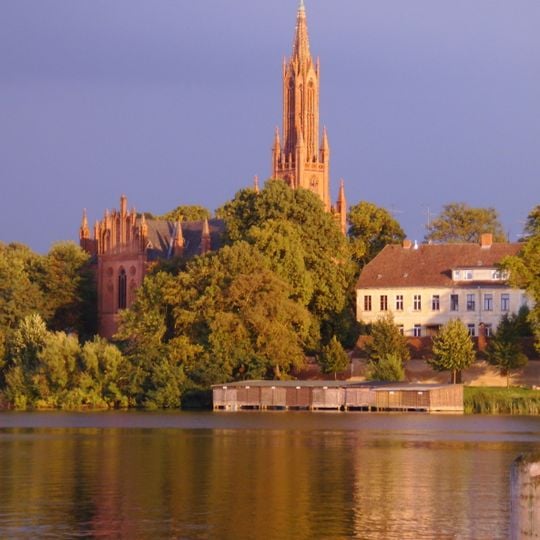
Malchow Abbey, Cistercian monastery in Malchow, Germany.
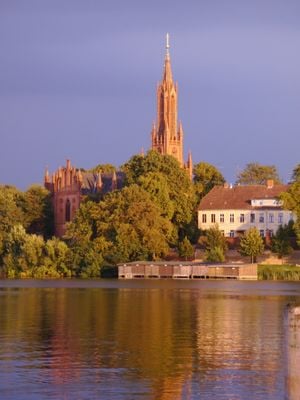
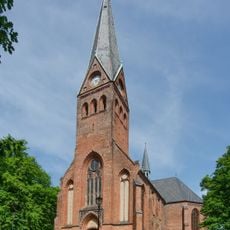
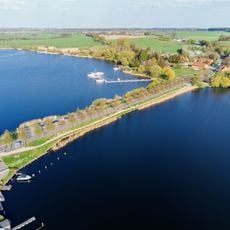
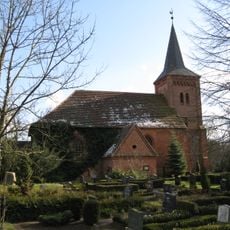
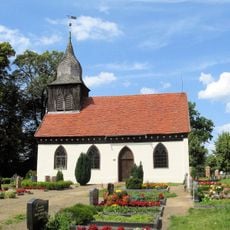
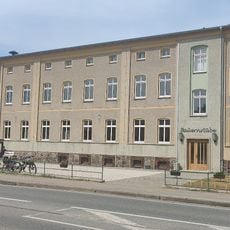
Malchow Abbey is a Cistercian monastery in Germany featuring a church with a brick tower about 52 meters tall, cloister buildings, and gardens along Lake Malchow. The complex includes several historic structures arranged around the church that form a typical monastic layout.
The monastery was founded in 1298 after being relocated from Röbel to Malchow, where it received support from Nicholas II, Prince of Werle. After the Reformation in the 1500s, the abbey's role in the region changed significantly.
The former refectory now serves as an art gallery showing works by regional artists, while keeping the medieval architectural character of the space intact. You can see how the room balances its original purpose with contemporary artistic expression.
The monastery houses the Mecklenburg Organ Museum with permanent exhibitions on regional organ construction, allowing visitors to examine how the instruments work inside. The setting by the lake makes it easy to combine your visit with a walk around the grounds or along the water.
Following the Reformation in 1572, the abbey became a Protestant residence for unmarried noblewomen and kept this purpose until 1923. This unexpected change makes it a rare example of a monastic complex that served two entirely different functions across centuries.
The community of curious travelers
AroundUs brings together thousands of curated places, local tips, and hidden gems, enriched daily by 92,637 contributors worldwide.