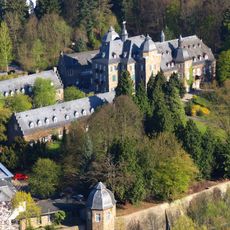
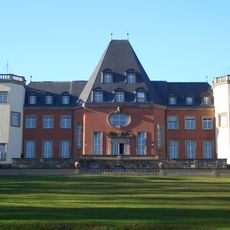
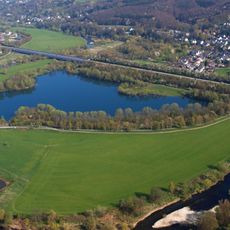
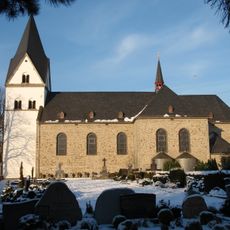
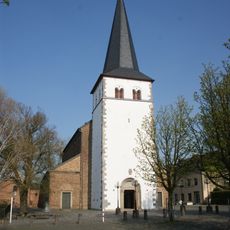
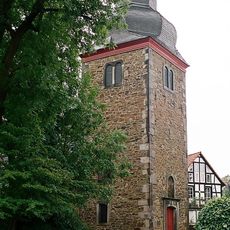
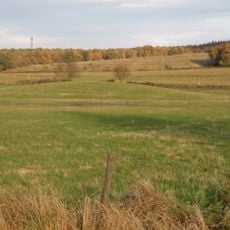
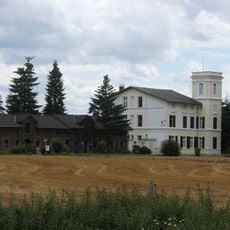
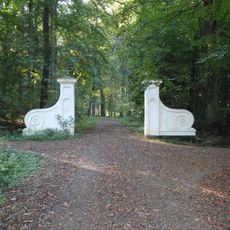
Fossillagerstätte Rott, Paleontological site in Hennef, Germany
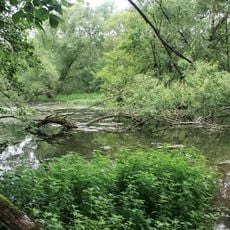
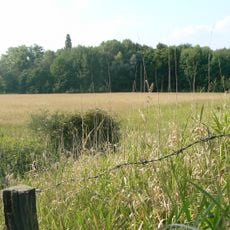
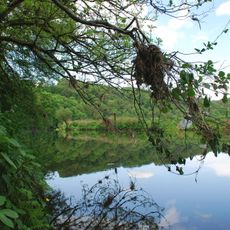
Fossillagerstätte Rott is a paleontological site preserving plant and animal remains in sediment layers from an ancient freshwater lake. The rock formations reveal a detailed record of life from millions of years in the past.
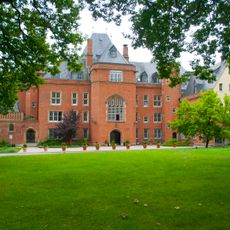
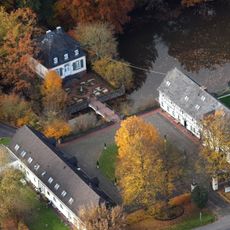
Mining for lignite coal began here in 1751 to produce tar and mineral oil products from underground deposits. Later, portions of the site were converted into a golf course.
Scientists worldwide study the fossils from this location, which include 250 plant species, 630 insect species, and 20 amphibian and reptile species.
The site is protected as a natural monument, which may limit access to certain areas. The best time to visit is during warmer months when pathways are easy to walk.
The sediments contain exceptionally well-preserved fossils from about 25 million years ago when palm trees and crocodiles inhabited the region. These remains offer a rare window into the climate and animal life of central Europe during that distant period.
The community of curious travelers
AroundUs brings together thousands of curated places, local tips, and hidden gems, enriched daily by 92,353 contributors worldwide.