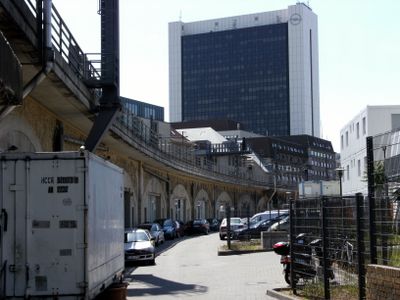
Stadtbahnbögen, 19th century viaduct arches in Berlin, Germany
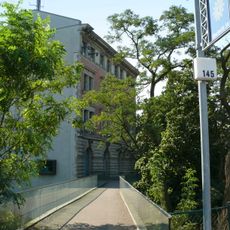
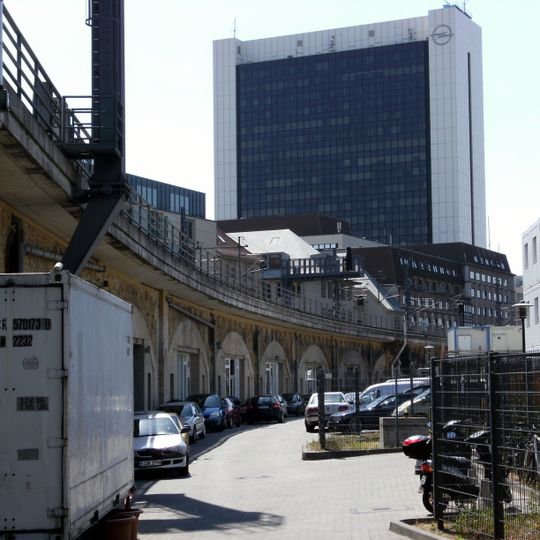
The Stadtbahnbögen is a viaduct made of 731 brick arches that carries elevated railway tracks through central Berlin, extending from Schlesischer Bahnhof to Savignyplatz. The spaces inside function as commercial areas, with businesses identifying their locations by arch numbers rather than traditional street addresses.
The viaduct was constructed between 1872 and 1882 by architect Ernst Dircksen and was designed from the start to accommodate various uses beneath the tracks. Approximately 597 of the arches were designated for commercial purposes from the beginning.
The spaces beneath the arches reveal how Berlin adapted its urban spaces over time: what once housed horse stables gradually transformed into restaurants and shops, showing how the city repurposed existing structures for new needs. These changes reflect the practical creativity of residents in making use of available spaces.
The network of arches is spread across much of the city and is easily accessible on foot, especially when walking along the major stations. Most entrances are straightforward to find, and many businesses and venues are open during daytime hours.
Beneath the arches you will find a surprising range of local businesses, from traditional craft workshops to modern cafes and art galleries that occupy these numbered spaces. This numbering system became so practical that it continues to be used today for easy identification of locations.
The community of curious travelers
AroundUs brings together thousands of curated places, local tips, and hidden gems, enriched daily by 91,871 contributors worldwide.