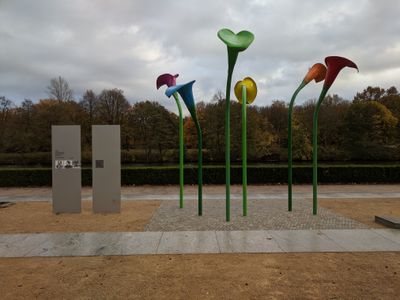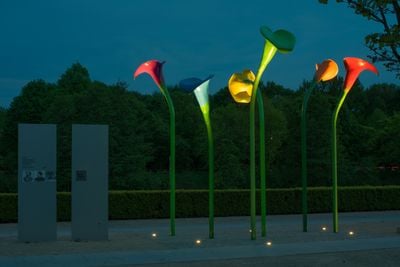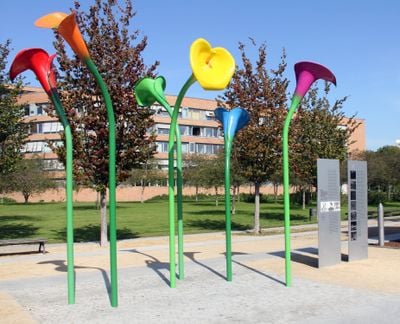
Memorial to the first homosexual emancipation movement, Commemorative sculpture at Magnus-Hirschfeld-Ufer, Berlin, Germany
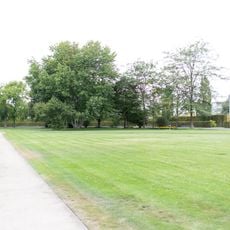
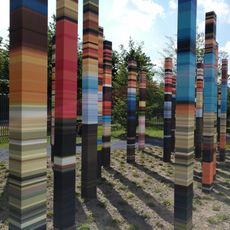
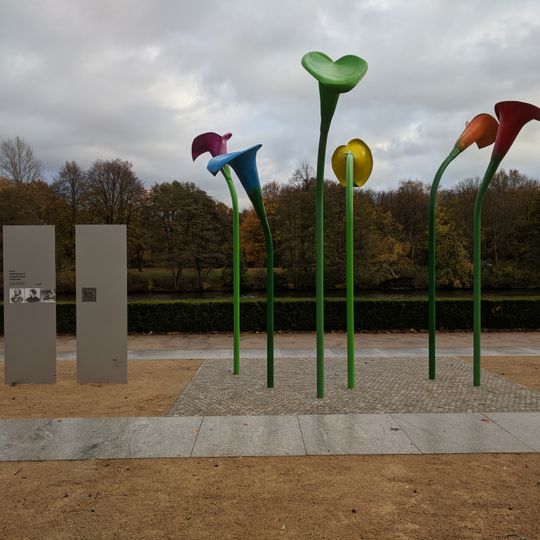
The memorial at Magnus-Hirschfeld-Ufer consists of six oversized calla lilies in rainbow colors, made of metal and rising over four meters in height. The flowers are arranged across an open area along the riverbank to create a cohesive artistic display.
Dr. Magnus Hirschfeld founded the Scientific-Humanitarian Committee in 1897, initiating the first organized homosexual rights movement globally. The research institute he later directed influenced scientific discussion about sexuality until its destruction in the 1930s.
The installation uses calla lilies to represent sexual diversity, as these flowers naturally contain both male and female parts on a single plant. The memorial marks a location of deep importance for the LGBTQ movement in Germany.
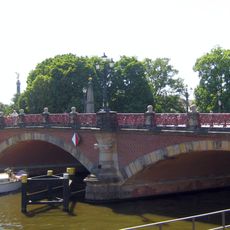
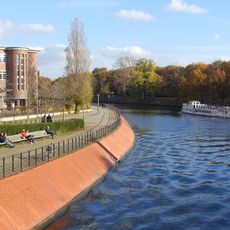
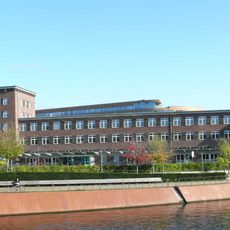
The memorial is located between Luther Bridge and Moltke Bridge and is freely accessible for visitors to walk among the flowers. It works well as a brief stop while strolling along the riverbank.
The memorial occupies the site of the former Institute for Sexual Research, founded in 1919 and pioneering scientific study of sexuality. The installation thus connects the location of groundbreaking academic work with a modern artwork honoring this historical movement.
The community of curious travelers
AroundUs brings together thousands of curated places, local tips, and hidden gems, enriched daily by 91,006 contributors worldwide.