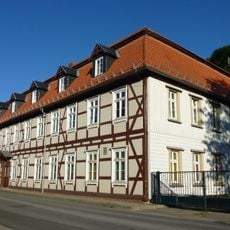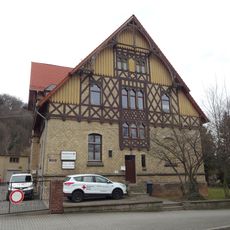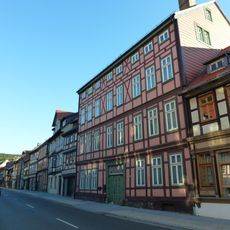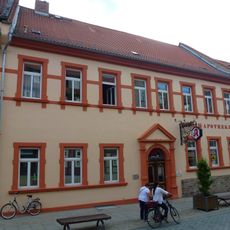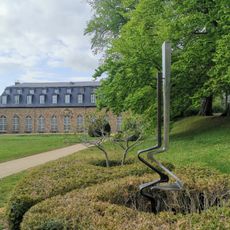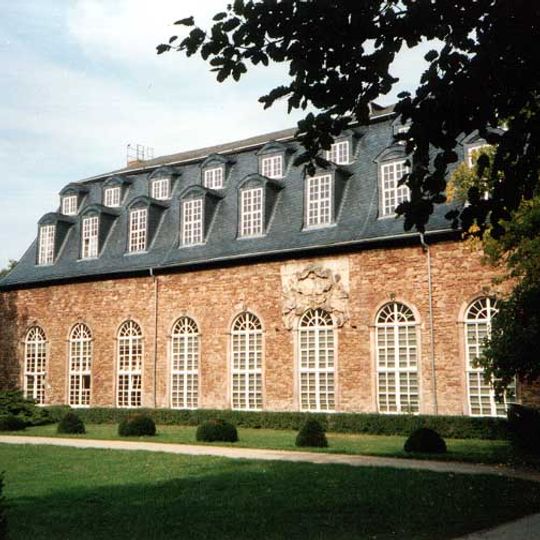
Orangerie Wernigerode, Cultural heritage monument in Lustgarten, Wernigerode, Germany.
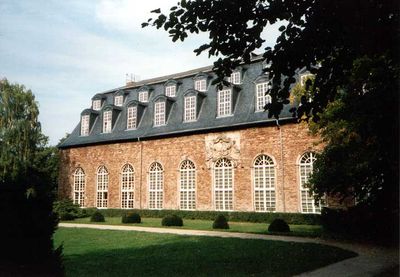
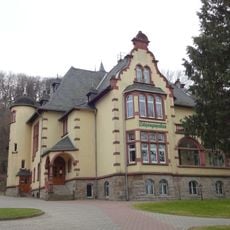
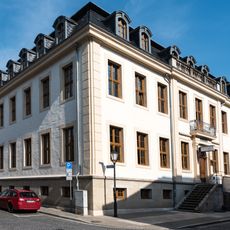
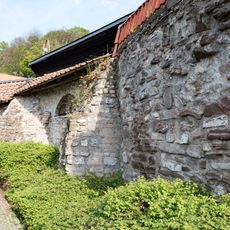
The Orangerie Wernigerode is a stone building made from local Rogenstein material with large windows that once protected orange trees and subtropical plants during winter. The structure features multiple stories and displays regular rows of windows designed to provide adequate light for plant growth.
Count Christian Ernst zu Stolberg-Wernigerode commissioned its construction in 1728 to protect delicate southern plants from freezing temperatures. The building later evolved beyond its original function to serve different cultural and administrative purposes for the community.
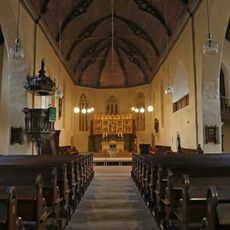
The building served as a venue for concerts and housed a major library collection that shaped local intellectual life. It became a gathering place where residents could experience music and access one of the region's largest private book collections.
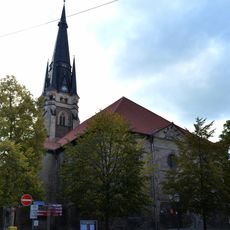
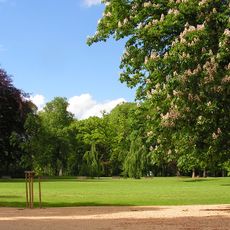
Access to the site is through the surrounding Lustgarten, where the building is easily reachable on foot among other historic structures. Visitors should note that the building now serves administrative functions and may not always be fully open for tours.
After World War II, Soviet occupation forces seized the library holding roughly 100,000 volumes and transported it to the USSR. This removal of such a significant collection remains a striking chapter in the building's recent past.
The community of curious travelers
AroundUs brings together thousands of curated places, local tips, and hidden gems, enriched daily by 92,773 contributors worldwide.