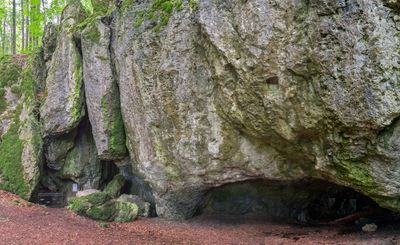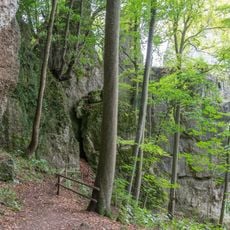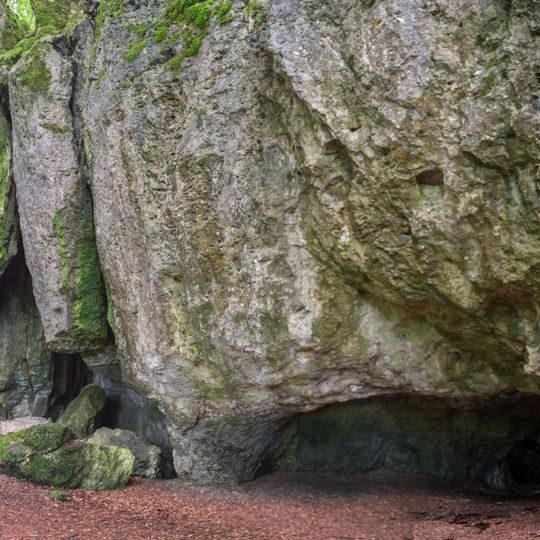
Esperhöhle, Archaeological cave in Gößweinstein, Germany.
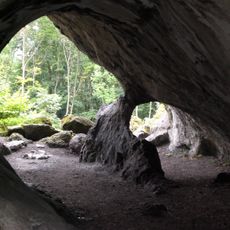
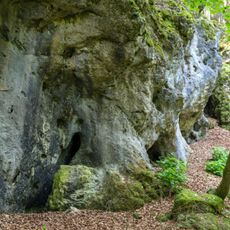
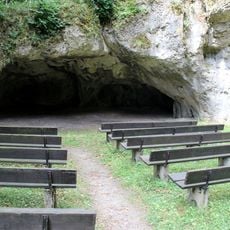
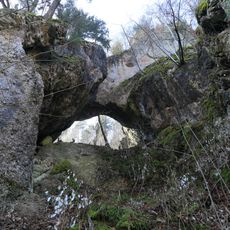
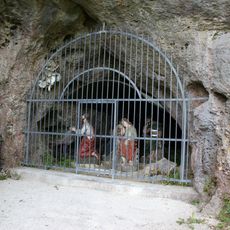
The Esperhöhle is an archaeological cave in Gößweinstein with a length and width of around 50 meters and multiple chambers. A roughly 35-meter deep shaft runs through the limestone formation, making the underground structure particularly intricate.
The cave held importance during the Late Hallstatt and Early La Tène periods, as evidenced by bone remains and artifacts found there. These discoveries suggest ritual or burial practices, making it a significant archaeological site.
The cave carries the name of Pastor Johann Friedrich Esper, who conducted the first scientific exploration in the 18th century. Visitors can today see how this place has remained woven into local memory and identity.
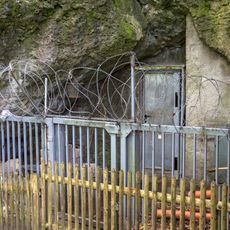
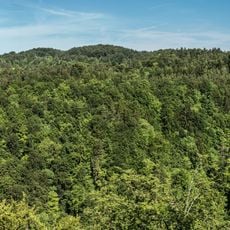
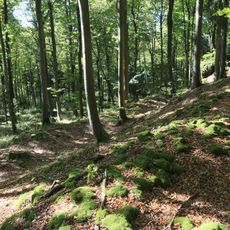
The cave lies approximately 900 meters northwest of Leutzdorf at an elevation of 462 meters. Exploring the shaft system requires specialized equipment, and visitors should check in advance which areas are open to access.
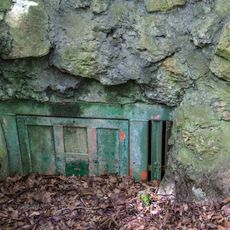
Local people once used the cave as a natural storage space, keeping ice there that would last well into summer. This practice shows how inhabitants used the site's unique conditions for everyday needs.
The community of curious travelers
AroundUs brings together thousands of curated places, local tips, and hidden gems, enriched daily by 91,262 contributors worldwide.