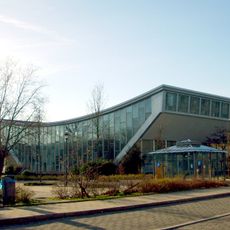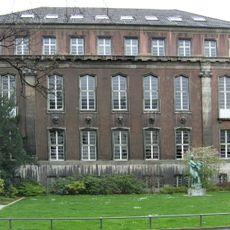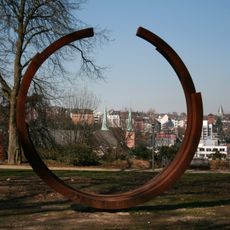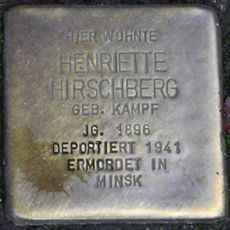
Fuhlrott-Museum, Natural history museum in Wuppertal, Germany.
The Fuhlrott-Museum was a natural history institution in Wuppertal that displayed fossils, beetles, birds, insects, and minerals across several exhibition rooms. The collection was remarkably diverse and documented various fields of natural sciences over many decades.
The museum traces back to collections from the Natural History Society of Elberfeld-Barmen, which were brought together in 1892. After more than a century of public access, it closed permanently in 2008.
The museum served as a place where visitors could explore the diversity of nature, especially through its extensive collection of insects and minerals. The exhibition halls presented local natural history and made complex scientific subjects understandable to the general public.
The location is no longer accessible for regular visits, as the building now serves educational and media institutions instead. For those interested in its legacy, the building itself remains a testament to early museum architecture and can be viewed from outside.
The museum gained recognition for the scientific analysis of Neanderthal remains, revealing insights into early human history. These discoveries played an important role in shaping modern anthropological research.
The community of curious travelers
AroundUs brings together thousands of curated places, local tips, and hidden gems, enriched daily by 90,986 contributors worldwide.