Wuppertal, Industrial metropolis in North Rhine-Westphalia, Germany
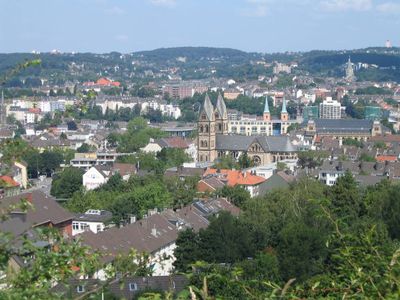
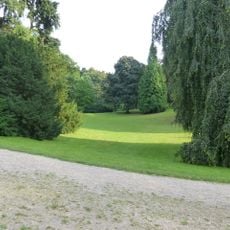
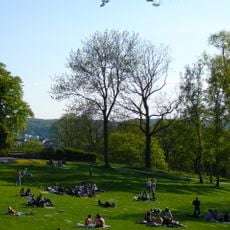
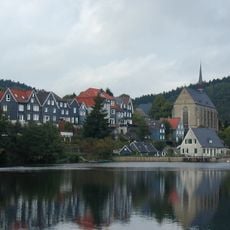
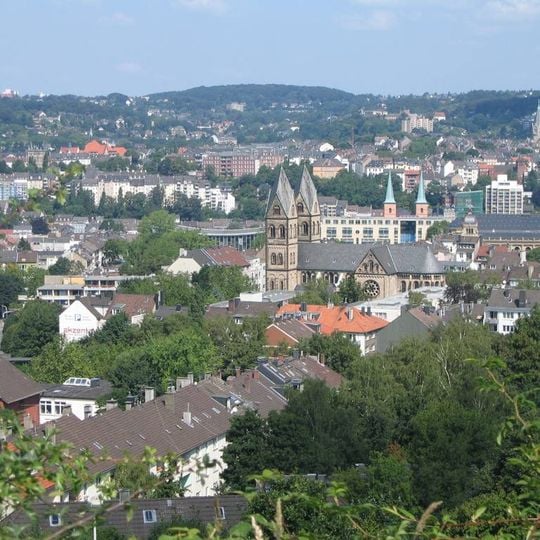
Wuppertal is a major city in North Rhine-Westphalia that stretches for 16 kilometers along the steep banks of the Wupper River and is shaped by numerous green spaces covering two thirds of the urban area. The settlement spreads across hills and valleys, with residential neighborhoods, commercial zones and parks forming a connected urban landscape of shifting elevations.
The towns of Barmen, Elberfeld, Ronsdorf, Cronenberg and Vohwinkel merged in 1929 to form a single municipality first called Barmen-Elberfeld and renamed Wuppertal one year later. Industrial growth across the region during the 19th century had already encouraged close exchange between these neighboring communities.
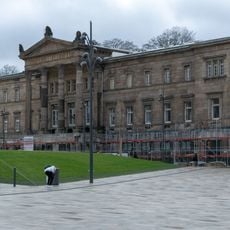
The Von der Heydt Museum displays painting collections that take visitors through different periods, while the Theater am Engelsgarten hosts regular performances throughout the season. In neighborhood centers, residents gather at small cafés and weekly markets where local produce and baked goods define the rhythm of everyday life.
The main station in Elberfeld serves as a major transport hub connecting the city to regional and national rail lines across Germany. Buses and the suspension railway complement the local network, making it easier to move between different neighborhoods across varying elevations.
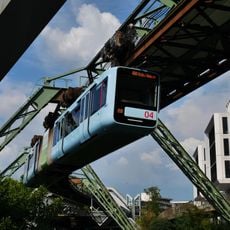
The Wuppertal suspension railway has been running since 1901 and remains the oldest electric elevated train of its kind, traveling 8 meters above streets and 12 meters above the river. Passengers can look directly down through the windows at rooftops and the water surface during the ride.
The community of curious travelers
AroundUs brings together thousands of curated places, local tips, and hidden gems, enriched daily by 92,623 contributors worldwide.