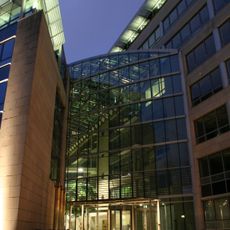
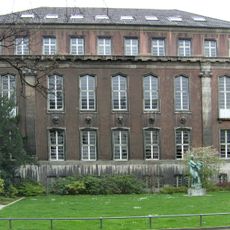
Glanzstoff-Hochhaus, High-rise building in Elberfeld district, Wuppertal, Germany.
The Glanzstoff-Hochhaus is a high-rise structure in Elberfeld featuring a glass and steel facade with a clean, horizontal and vertical grid pattern. Its rectangular form rises distinctly above the surrounding blocks and streets, creating a strong visual presence in the city center.
Construction took place between 1954 and 1958 under architect Hanns Dustmann, who designed it as an administrative center for a chemical fiber company. This project marked the city's transition toward modern building forms and contemporary industrial structures during post-war recovery.
The building embodies how major companies reimagined themselves after 1945, using modern architecture to signal progress and recovery. Its bold design became a symbol of the city's economic renewal during the post-war rebuilding period.
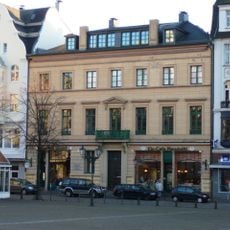
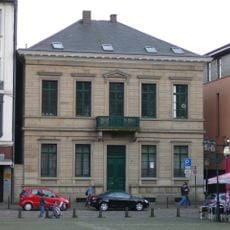
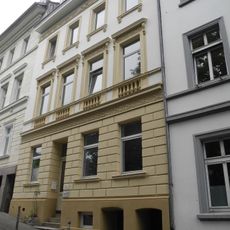
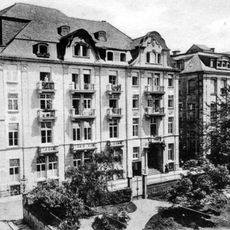
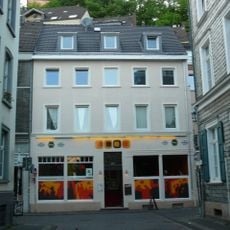
The tower stands on Kasinostraße in Elberfeld, a short walk from the main Elberfeld railway station and reachable by several bus and Schwebebahn stops nearby. The building is an office block with no public café or visitor rooms; the surrounding Herzogstraße and Mäuerchen buildings are part of the same listed ensemble, so the exterior is best viewed from the street.
The Japanese chemical group Teijin rented parts of the complex and mounted its name on the facade; the Acordis lettering was removed in October 2007. The tower and the surrounding buildings on Herzogstraße and Mäuerchen were entered as five separate monuments in Wuppertal's heritage list on 19 July 2001.
The community of curious travelers
AroundUs brings together thousands of curated places, local tips, and hidden gems, enriched daily by 94,514 contributors worldwide.