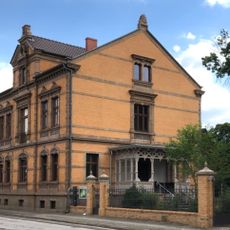
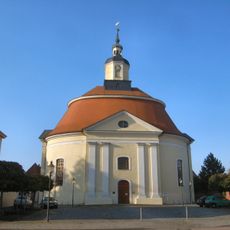
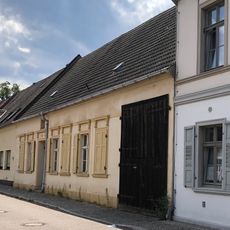
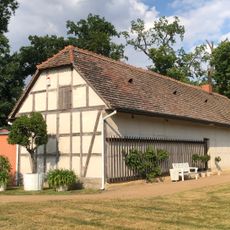
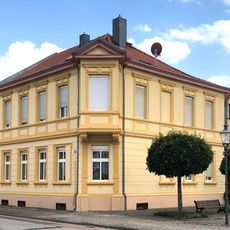
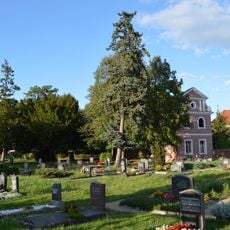
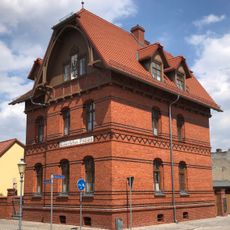
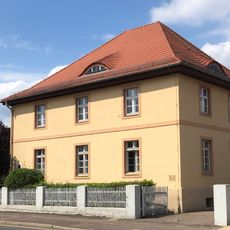
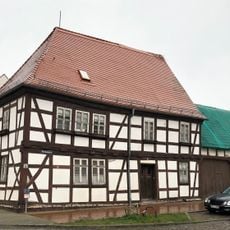
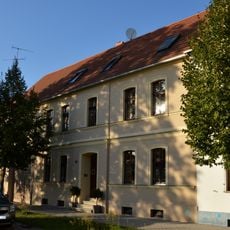
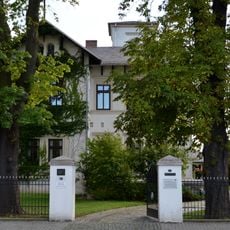
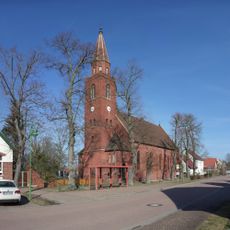
Oranienbaum, Historic district in Wittenberg, Germany.
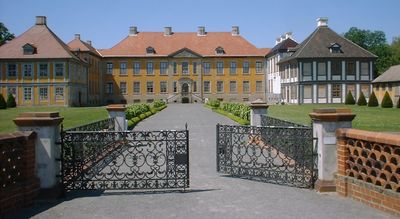
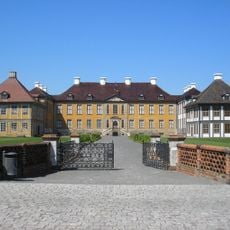
Oranienbaum is a district in Oranienbaum-Wörlitz featuring a palace complex with geometrically arranged gardens and Dutch-influenced buildings. The complex houses Europe's longest orangery building from 1818, which shelters citrus plants through winter.
The original settlement name of Nischwitz was changed to Oranienbaum in 1673 when Countess Henriette Catherine of Nassau chose it as her summer seat. The site subsequently developed into an important princely residence in eastern Germany.
The settlement reflects Dutch architectural influence in its buildings and interiors, with leather wallpaper and tiled rooms that showcase this European style. Visitors can directly experience these design elements while exploring the historic spaces.
The district is easily explored on foot, as most buildings and gardens are located close together and are readily accessible. When planning a visit, keep in mind that the orangery and gardens offer different experiences depending on the season.
An English-Chinese Garden built between 1793 and 1797 with a five-story pagoda stands here and is the only surviving example of this garden style in Germany. This garden demonstrates the late Enlightenment passion for exotic design forms across Europe.
The community of curious travelers
AroundUs brings together thousands of curated places, local tips, and hidden gems, enriched daily by 92,832 contributors worldwide.