Kakus cave, Prehistoric cave system in Mechernich, Germany
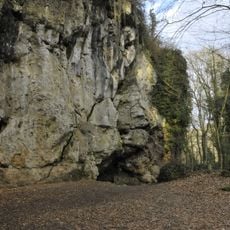
Kakus cave is a limestone cave system near Mechernich with three main chambers: the Great Church featuring a high ceiling, the Dark Chamber, and the Cold Hole. The rooms formed through natural water action on the stone and each displays different interior conditions.
Archaeological excavations uncovered Neanderthal stone tools and three fire sites dating back roughly 80,000 years in sediment layers. These discoveries show the cave served as a dwelling and shelter for extended periods in prehistoric times.
The limestone cave entrance bears the name Kakus, derived from a figure in Roman mythology. Over thousands of years, this space served as shelter for both humans and animals, with evidence of their presence still visible in the rock formations.
The entrance is easy to reach and the chambers are accessible to most visitors, though some areas feature narrow or low passages. A nearby café offers refreshments, especially during the warmer months.
The cave entrance features a headless marble bust of Emperor Wilhelm II installed in 1907 that vanished for more than 80 years. The bust was rediscovered during cleanup work in 1987 and now stands restored at its original location.
The community of curious travelers
AroundUs brings together thousands of curated places, local tips, and hidden gems, enriched daily by 91,279 contributors worldwide.