Musik-Museum Beeskow, Music museum in Beeskow, Germany.
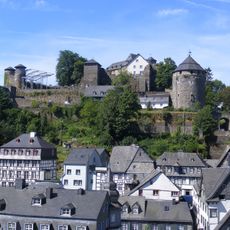
The Musik-Museum Beeskow occupies part of Burg Beeskow, a castle on the Spree, and displays around 200 mechanical and self-playing instruments. Its collection includes a Cupid, described as the smallest automatic piano in the world, a trumpet organ by DeKleist of North Tonawanda, and a Hupfeld Jazz-Sinfonie-Orchestrion. A museum workshop shows how music was punched onto paper rolls and how old rolls are scanned and re-punched today.
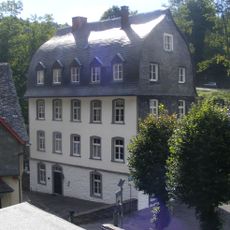
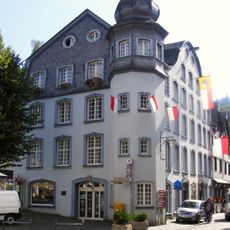
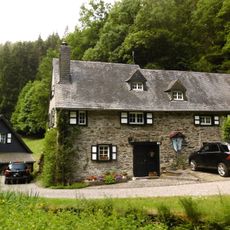
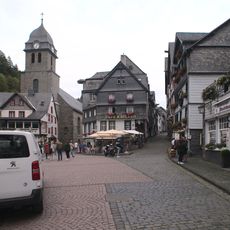
Thomas Jansen began collecting self-playing instruments in the 1980s and first exhibited them in the vacant Haus Wiesenthal in Monschau. After a stop in the Alte Molkerei in Imgenbroich, where the museum opened in 2009 with 161 positions and 7,300 individual pieces, fire-safety rules ended that site. Jansen transferred the collection to Beeskow, and it reopened in Burg Beeskow in May 2018.
The museum's name is tied to its founder, restorer Thomas Jansen (1954–2021), whose collecting since the 1980s built the holdings; the town of Beeskow later bought the entire collection. In the integrated museum workshop, historic machines show how a score was once turned into a punched paper roll, and modern computers scan and re-punch old original rolls. About 4,500 note rolls for various systems are kept.
The museum is located in central Beeskow and opens Tuesday through Sunday, with group tours available by arrangement. Plan to spend two to three hours exploring the different instruments and how they work.
Many of the instruments here still work and can be played, letting visitors hear the actual sounds these machines produced. This hands-on experience provides a direct connection to the music of a bygone era.
The community of curious travelers
AroundUs brings together thousands of curated places, local tips, and hidden gems, enriched daily by 92,639 contributors worldwide.