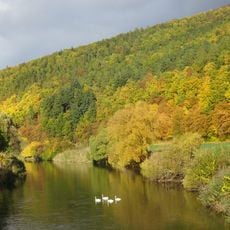
Hitzerode, Village district in Berkatal, Hesse, Germany
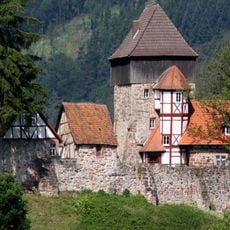
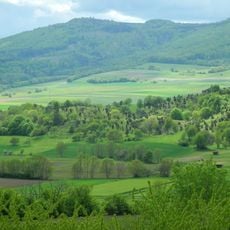
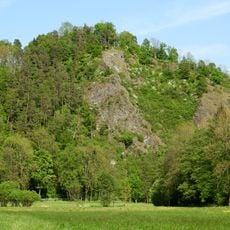
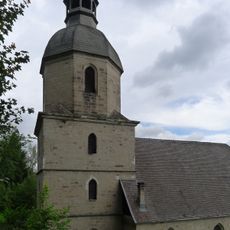
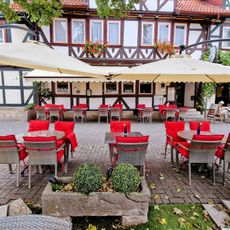
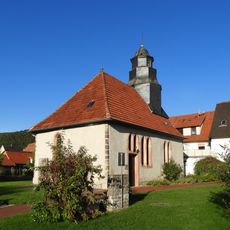
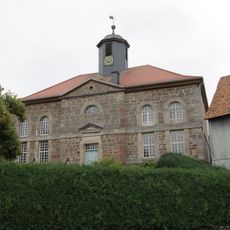
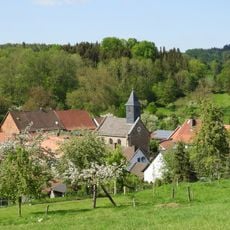
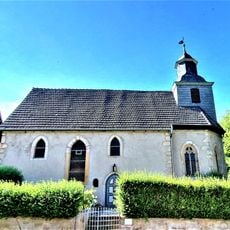
Hitzerode is a village district of Berkatal, located in the northeastern part of the Hohen Meißner hills in Hesse, Germany. The streets are narrow, lined with half-timbered houses and old farms, and a church sits on a small hill at the heart of the settlement.
The village first appeared in writing in 1195, in a document from Pope Coelestin III. that recorded land belonging to a monastery. Over the following centuries, it passed between noble families before coming under the rule of the landgraves of Hesse.
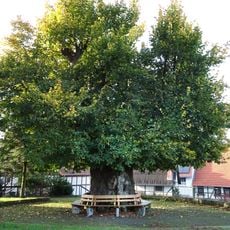
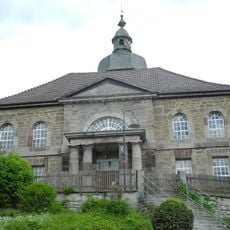
In the center of Hitzerode, there is a linden tree estimated to be over 400 years old, standing on the village square. Locals still gather around it, and the community hall nearby hosts talks, concerts, and village meetings throughout the year.
The village is easy to walk through on foot, as the streets are short and traffic is light. The nearest train station is in Bad Sooden-Allendorf, from where a bus connection brings visitors to the area.
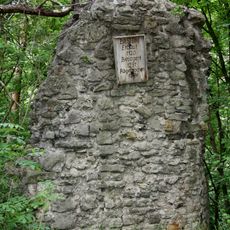
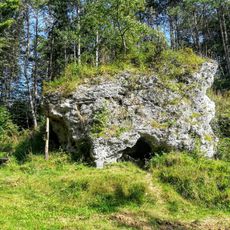
Copper ore was mined in the woods around Hitzerode for much of the 1500s and 1600s, and traces of old shafts can still be spotted in the forest today. The village also sat along a trading route called the 'Lange Straße', which carried salt and wine through the region for centuries.
The community of curious travelers
AroundUs brings together thousands of curated places, local tips, and hidden gems, enriched daily by 92,726 contributors worldwide.