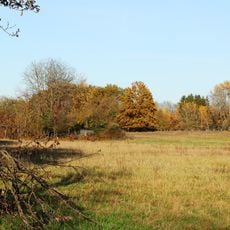
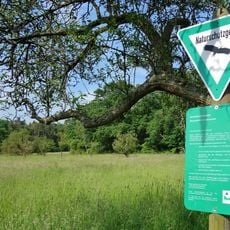
Hochgericht Steinheim, Archaeological execution site in Hanau-Steinheim, Germany.
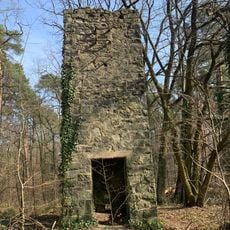
Hochgericht Steinheim is an archaeological site in Hanau-Steinheim with two upright basalt columns about 5 meters (16 feet) tall. These stone columns once served as a gallows and mark a place where courts carried out their sentences.
The execution site was founded under the rule of the Lords of Eppstein and continued operations after the territory was sold to Kurmainz in 1425. The last recorded execution took place in 1734, when Johann Adam Clomann was put to death for repeated highway robbery.
The place shows how medieval and early modern courts displayed power and carried out punishments. The two remaining basalt columns were visible to everyone and served as a stark sign of state authority.
The site is accessible via public forest paths and remains open to visitors year-round. It is best visited during daylight hours when you can clearly see the structure and surrounding landscape.
The two basalt columns do not date from the same period and may have been erected or replaced at different times. Their varying states of preservation tell of centuries spent exposed to the elements at this remote forest location.
The community of curious travelers
AroundUs brings together thousands of curated places, local tips, and hidden gems, enriched daily by 92,252 contributors worldwide.