High Castle of Füssen, Gothic castle in Füssen, Germany
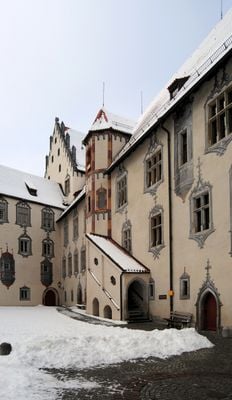
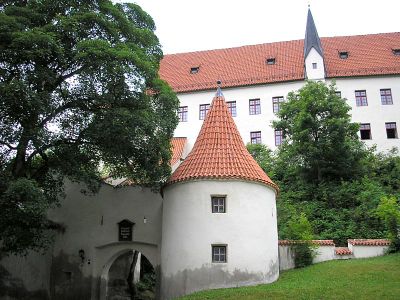
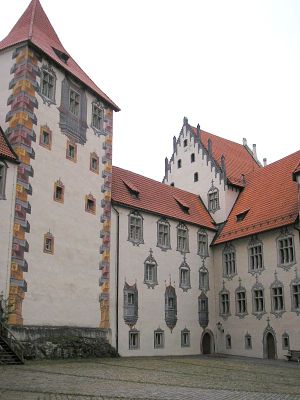
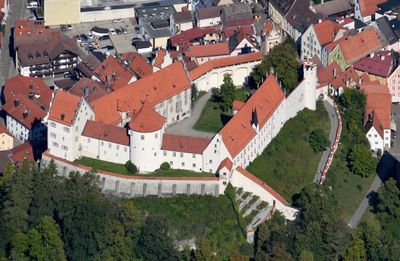
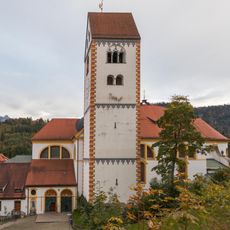
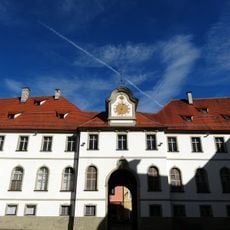
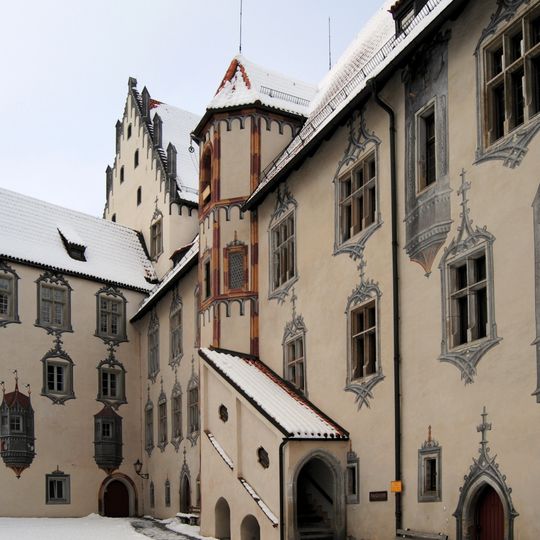
The High Castle of Füssen is a late Gothic hilltop castle that rises above the old town of Füssen in southern Bavaria. It consists of a main tower, several wings around a central courtyard, and a chapel, all sitting on a rocky outcrop at the edge of the town.
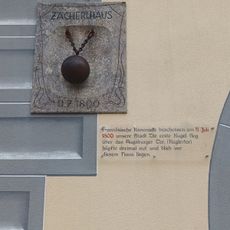
A Roman supply-unit fort stood on the hill in late antiquity, and by 1322 the Augsburg bishops had acquired the hill by exchange and made the castle the seat of the Füssen district office. From 1486 Prince-Bishop Friedrich II of Zollern rebuilt it, giving it its present form. In 1798–1799 it served as an Austrian central hospital and was then occupied by the French.
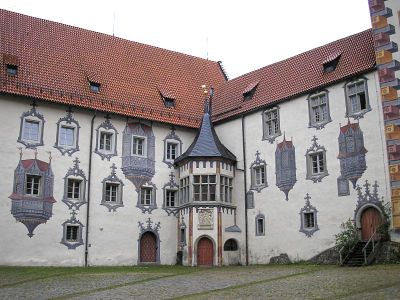
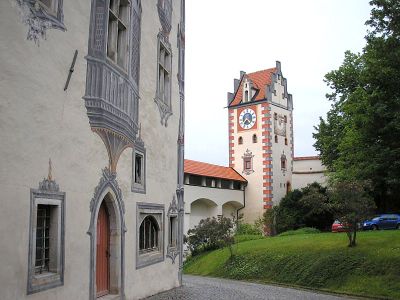
The outer walls of the High Castle are painted with trompe-l'oeil details that mimic real stonework, window frames, and bay windows. Visitors who look closely will notice that many architectural features they first assume to be carved are actually painted directly onto the plaster.
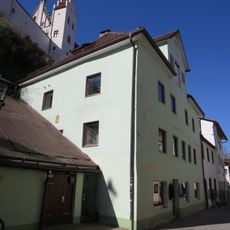
The castle stands at the upper end of Füssen's old town, reached on foot by a short, steep climb. The west side is cut off from the town park Baumgarten by a moat hewn from the rock, the so-called Schlucht, expanded under Prince-Bishop Friedrich II of Zollern. The gate path runs along the south side to the gate tower, which holds the clock of the demolished Augsburg Gate.
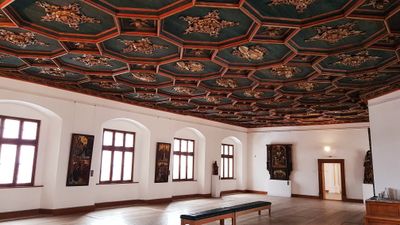
The castle's north wing has housed a branch gallery of the Bavarian State Painting Collections since 1931. Its six rooms are devoted to Swabian painting of the late Gothic period, and the large festival hall adds Allgäu sculpture of the same era, including works by Jörg Lederer.
The community of curious travelers
AroundUs brings together thousands of curated places, local tips, and hidden gems, enriched daily by 93,846 contributors worldwide.