Imperial Palace Ingelheim, Medieval palace museum in Ingelheim am Rhein, Germany
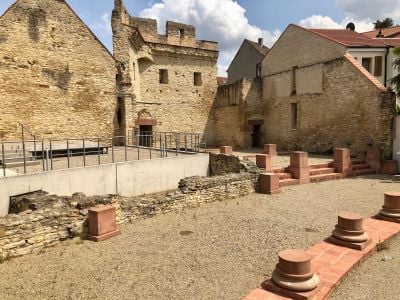
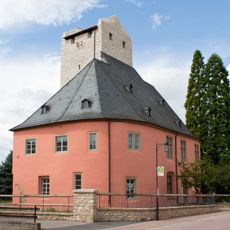
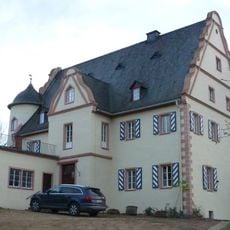
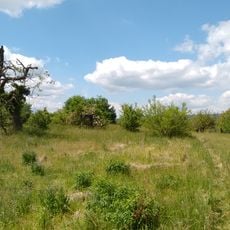
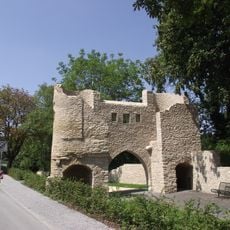
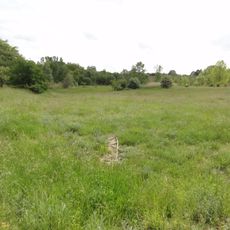
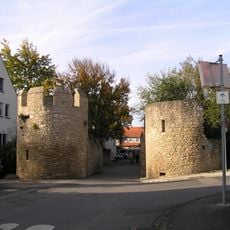
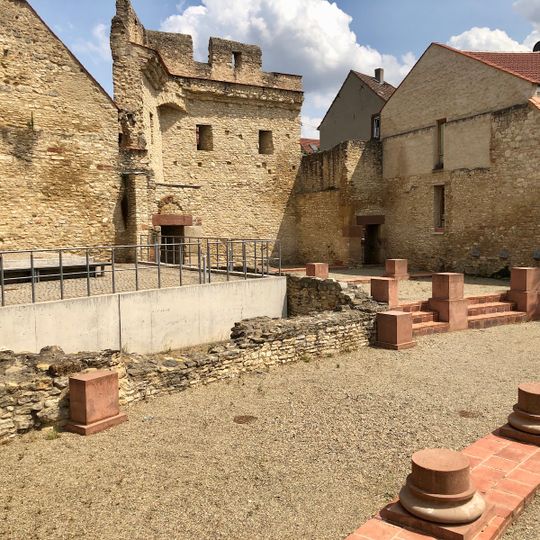
The Ingelheim Imperial Palace is a Carolingian palace complex in Nieder-Ingelheim, begun under Charlemagne between 780 and 800 and completed under Louis the Pious. Its core measured 145 by 110 metres on a terrace above the Rhine. Above ground survive the Aula regia, parts of the north wing and the Heidesheimer Tor; the rest of the ground plan is marked in the paving with strips of three light travertine slabs.
Charlemagne first stayed in Ingelheim in September 774 and began the palace around 780–800; Einhard ranks it among his two palaces of wondrous architecture alongside Nijmegen. Louis the Pious completed it and held five imperial assemblies there between 817 and 840. After Henry III's 1043 wedding feast, the palace lost its role; the Hohenstaufen fortified it, and Charles IV was the last ruler to stay, in 1354.
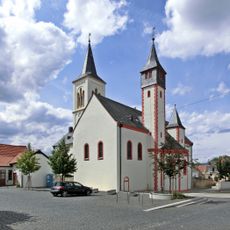
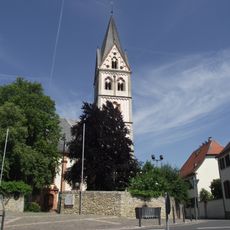
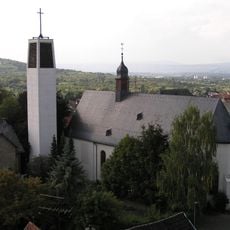
The palace church, built in the 10th century south of the apse hall, was renovated in Romanesque style in the 12th century and is the only building of the complex still in use today. After collapsing during the French Revolutionary occupation, it was rebuilt from 1803, with a neo-Romanesque bell tower added in 1861 and the nave reconstructed in 1965. The site also yielded 3,000 fragments of painted wall plaster and floor tiles of marble and porphyry, some displayed in the visitor center and museum.
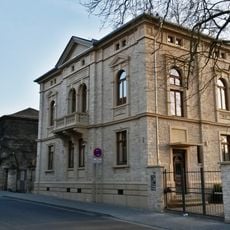
The museum is easily accessible on foot and features informative displays with panels and reconstructions to help understand the ancient structure. A guided tour of the site provides deeper understanding of the layout.
Below the museum lie the original stone foundations of the Carolingian structures, partly visible directly beneath modern exhibition floors. This allows visitors to see the actual size and ground plan design of the former complex in place.
The community of curious travelers
AroundUs brings together thousands of curated places, local tips, and hidden gems, enriched daily by 93,896 contributors worldwide.